
Generate Greyscale Concept Art Multi-Angle Views
Professional character design pipelines — in film, AAA games, and animation — start in greyscale for a reason. Removing color forces you to solve the hard problems first: silhouette readability, proportion balance, and form definition. If a character doesn't read in greyscale, no amount of color theory will fix it. Concept artists use greyscale turnarounds as the foundation layer that colorization, costume variants, and lighting studies are built on top of. Answer: Describe your character in form and silhouette terms — mass distribution, head-to-body ratio, limb proportions, key shape language — rather than color. Generate an 8-angle greyscale turnaround with the realistic style preset and saturation set to zero, run a silhouette test at each angle by filling the character to solid black and checking if the pose reads, then annotate proportion notes directly on the reference for handoff to the colorization pass.
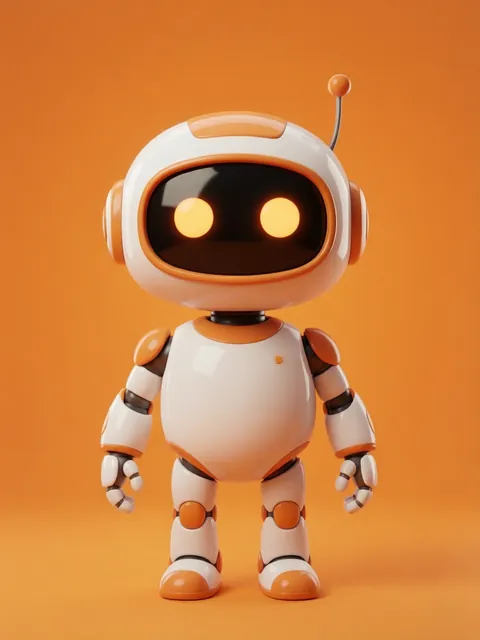
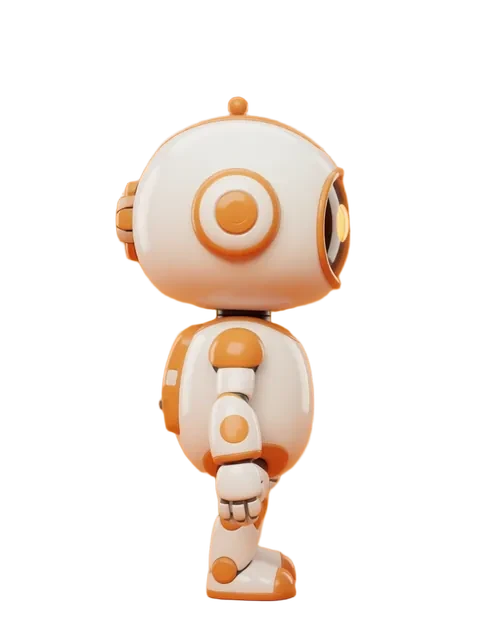


- 01
Describe character in form and silhouette terms, not color
Write your character prompt focused entirely on mass, proportion, and shape language: body type (ectomorph, mesomorph, endomorph), head-to-body ratio, shoulder width, limb length proportions, silhouette-defining elements (cape, oversized weapon, distinctive headgear). The greyscale preset ignores color tokens, so every word should describe form.
- 02
Generate greyscale 8-angle turnaround
Set the style to realistic, saturation to zero, and lighting to neutral three-point studio lighting. Run the multi-angle generation for all 8 views. The output is a pure greyscale turnaround where every pixel describes value and form — no chroma information to distract from proportion and volume assessment.
- 03
Run silhouette test at each angle
For each of the 8 angles, fill the character interior to solid black and check the silhouette against a white background. A good silhouette communicates the character's role, attitude, and key identifying features without any internal detail. If the silhouette is ambiguous or blob-like at certain angles, adjust the pose or costume elements and regenerate those angles.
- 04
Annotate proportion notes on reference
Overlay measurement annotations: head count (how many heads tall), arm length relative to torso, hand size relative to face, foot placement width, and any asymmetry notes. Use a consistent measurement unit (heads or centimeters) so the character modeler or colorization artist has unambiguous proportion data without needing to measure the reference themselves.
- 05
Use greyscale reference for colorization pass in a separate job
Feed the approved greyscale turnaround as the base reference into a new colorization generation job. With form, proportion, and silhouette already locked, the color pass focuses exclusively on palette harmony, material definition, and lighting color — producing a polished color turnaround built on a structurally validated foundation.
- Use the "value check" filter to posterize the greyscale output to 3-5 value bands — this reveals whether your character has enough value contrast or if it's all midtones.
- Generate a second lighting pass with dramatic key light (Rembrandt or split lighting) to stress-test the forms — if volumes break under dramatic light, the base forms need work.
- Keep the greyscale turnaround as a permanent project asset even after colorization — it's the single source of truth for proportion that all subsequent variants reference.
- Annotate using a non-destructive layer in Photoshop or Procreate so the clean greyscale plates stay untouched underneath.
- For creature or non-human characters, note the anatomical landmarks (joint positions, spine curvature, center of gravity) on the annotation layer — these are critical for riggers and animators downstream.
- Export a "value-only contact sheet" — all 8 angles in a single grid — for quick proportion comparison across views without clicking between files.
- Run silhouette tests at reduced opacity (70% black instead of 100%) to simulate the character at a distance or in atmospheric haze — this catches readability issues that pass the solid-black test.
- Reference the "head count" proportion system: most heroic characters are 7.5-8 heads tall, realistic humans 7-7.5 heads, and stylized characters anywhere from 3-9 heads depending on genre conventions.
Frequently asked questions
What resolution should greyscale concept art turnarounds be?
Can I generate greyscale concept art on the free tier?
How do I know if my silhouette passes the readability test?
Can I add color later or do I need to regenerate from scratch?
Ready to create consistent character views?
Upload a reference image and generate multi-angle views that stay true to your character.
Start generating