
Multi-Angle Views for Furry Species Types
Different furry species present radically different multi-angle challenges. A canine muzzle rotates very differently from a feline one; avian beaks and reptilian scales each have unique consistency pitfalls. This guide breaks down the species-specific techniques for the most popular anthropomorphic character types.
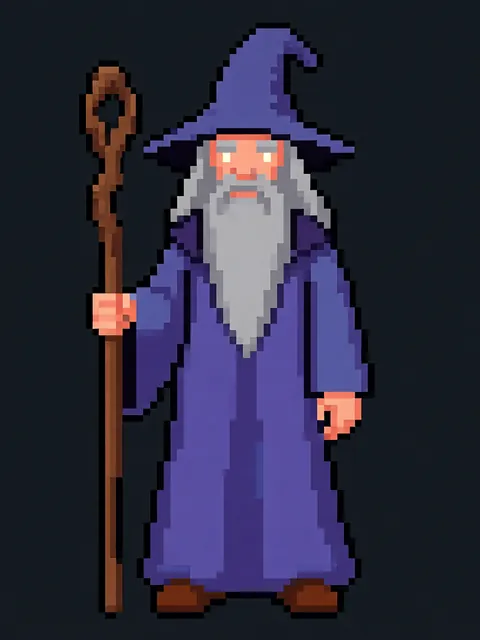
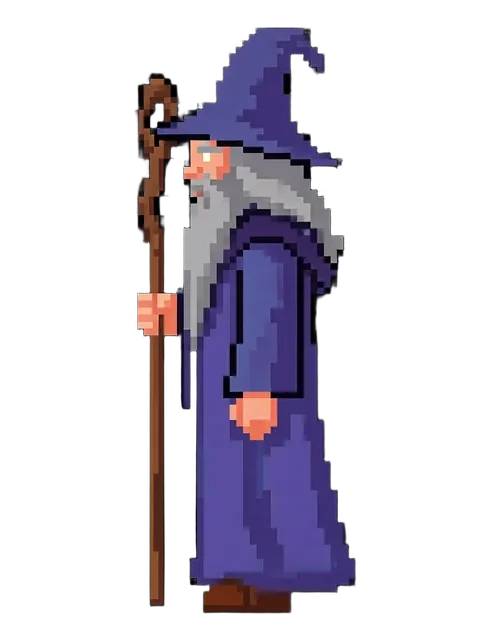
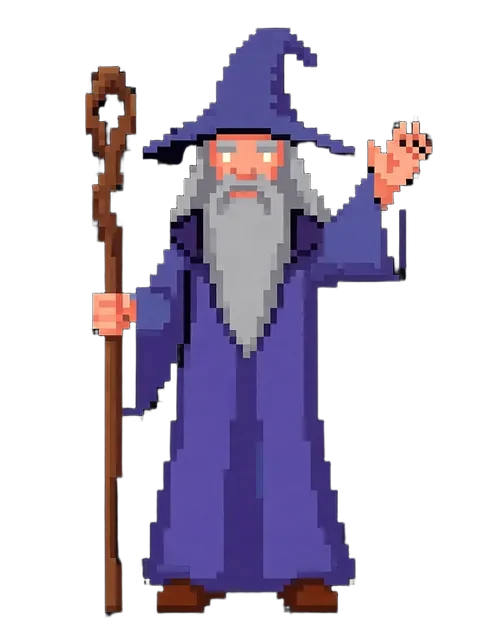
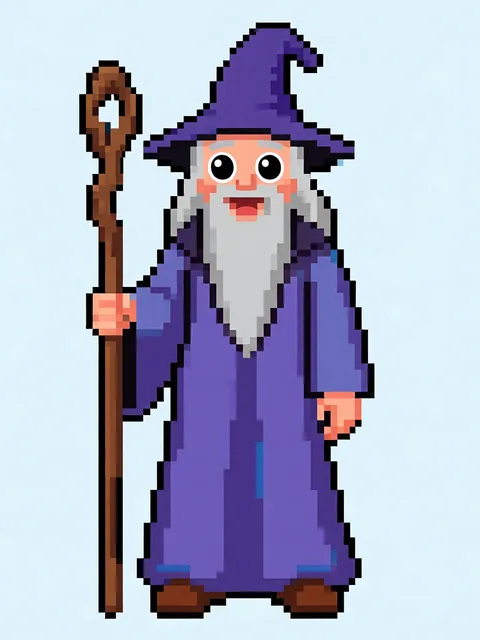
- 01
Identify your species anatomy type
Group your character into a base type: canine (wolves, foxes, dogs), feline (cats, lions, tigers), avian (birds, raptors, songbirds), reptilian (dragons, lizards, snakes), or ungulate (horses, deer, goats). Each type has different multi-angle challenges.
- 02
Map the species-specific problem areas
Canines: muzzle length and ear rotation. Felines: whisker placement and ear tuft direction. Avians: beak foreshortening and feather direction. Reptilians: scale pattern wrap-around. Know your danger zones.
- 03
Generate the muzzle/beak transition views
The hardest angle for any furry species is the front-to-profile transition (three-quarter view) where the muzzle/beak foreshortens. Generate this angle first and use it as the key consistency reference.
- 04
Validate appendage continuity
Tails, wings, horns, and extra ears have species-specific attachment points and physics. Check that each appendage connects at the anatomically correct point in every view.
- 05
Produce the fur/feather/scale pattern reference
Generate flat "unwrapped" body maps showing how markings, feather colors, or scale patterns flow around the 3D form. This prevents pattern inconsistency across angles.
- Canine ears rotate almost 180 degrees — they face forward in front views and backward in back views. This is often wrong in AI generations.
- Avian characters with beaks have no visible mouth in profile view but a small mouth line in front view — document both states clearly
- Reptilian characters should have scale size and direction documented: larger on the belly, smaller on limbs, with consistent direction flow
- Hybrid species (e.g., wolf-dragon) need clear documentation of which parent species each feature comes from
Ready to create consistent character views?
Upload a reference image and generate multi-angle views that stay true to your character.
Start generating