
How to Generate Multi-Angle Views in Embroidery Thread Art Style
Embroidery character art translates digital design into the language of thread: satin stitch fills, chain stitch outlines, and the directional grain of floss on fabric. A multi-angle embroidery character set is more than a style filter — it is a commitment to stitch physics. Each angle must show thread texture running in the same fill direction; each color area must match across views the way a real embroiderer would work a hoop; and the fabric weave underneath must ground every rotation in the same textile reality. This guide is for craft brand mascot designers, embroidery pattern creators, and anyone building visual identity for the sewing and handmade marketplace community. Answer: You generate multi-angle embroidery-style character views by designing stitch-friendly shapes with defined color areas, generating all 8 angles with visible thread texture and satin-stitch fill, verifying stitch direction consistency across views for fabric realism, adding fabric weave background and hoop frame presentation, and exporting as an embroidery pattern reference with DMC floss color chart annotations.
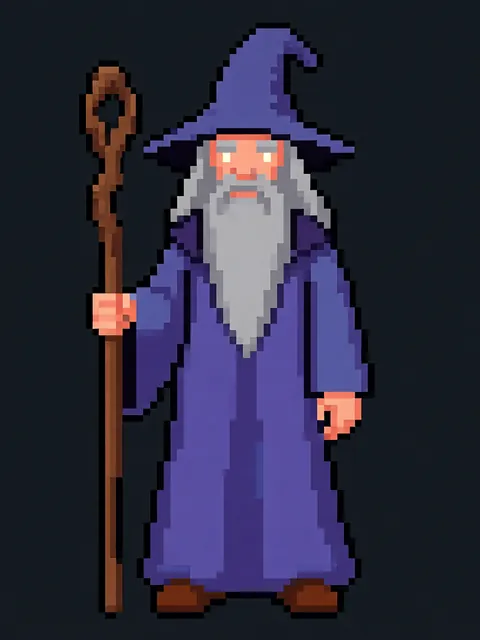
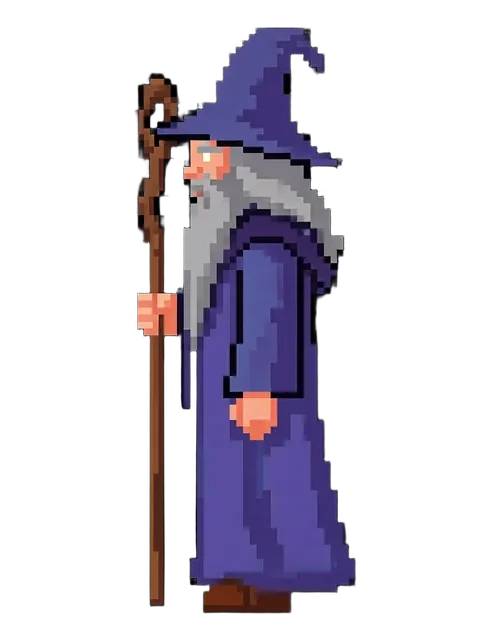
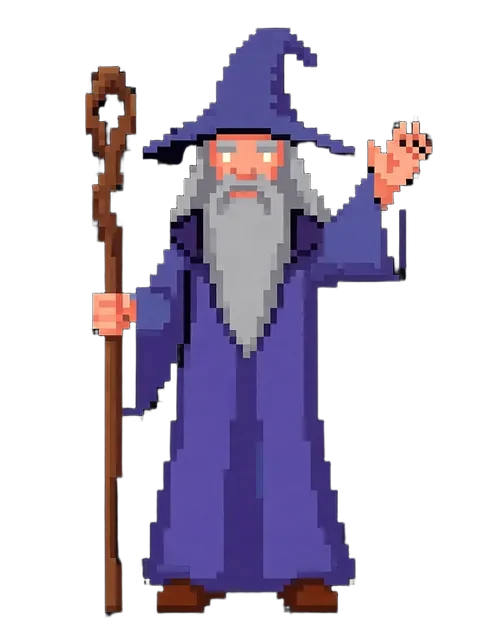
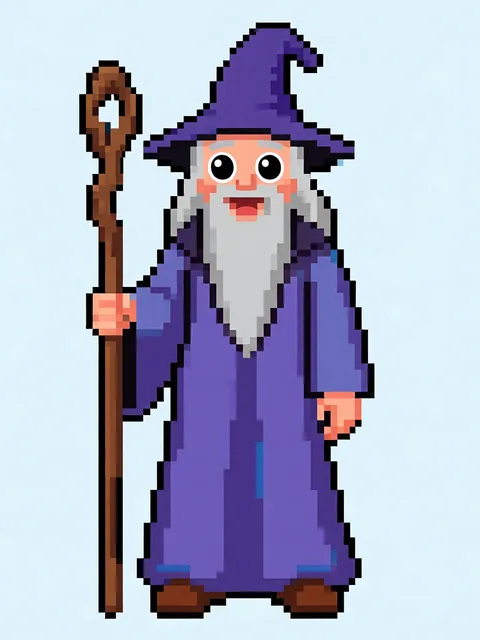
- 01
Design Your Character with Stitch-Friendly Shapes
Embroidery translates best from closed forms with clearly defined color areas. Describe your character using "stitch zone" language: each color region is a thread change, each contour is a chain-stitch boundary. Use terms like "satin-stitch fill area" for large color blocks, "stem-stitch detail line" for facial features, and "French-knot texture zone" for textured elements like fur or grass. Avoid gradient transitions — embroidery works in flat thread colors, not blended gradients. Limit your palette to 8-12 DMC floss colors for pattern realism. Define the stitch direction (vertical, horizontal, or diagonal) for each fill area so the model can render thread grain consistently.
- 02
Generate the 8-Angle Set in Embroidery Style with Visible Thread Texture
Generate all 8 angles with an embroidery-specific prompt: "embroidery thread art, satin stitch fill texture, chain stitch outline, visible individual thread strands, fabric weave texture underneath, hoop-framed, cotton floss sheen." The key differentiator from other stylized rendering is the thread texture itself — each color area should show parallel thread lines with a subtle sheen (like mercerized cotton). Include "embroidery hoop frame" in the prompt for all angles so the circular or oval hoop border is consistent. For each angle, rotate only the character view; keep thread direction, fabric type, and hoop position identical.
- 03
Verify Stitch Direction Consistency Across Angles for Fabric Realism
Thread direction is the embroidery equivalent of brush stroke direction — it defines the material reality of the piece. Audit your 8-angle grid: is the satin-stitch fill in the character shirt running top-to-bottom in every view? Does the chain-stitch outline have the same link-loop appearance at 0 and 180 degrees? If a fill area changes stitch direction between angles (horizontal in front view but diagonal in three-quarter), it breaks the embroidery illusion. Flag inconsistent angles for regeneration with explicit stitch-direction tokens in the prompt. The test for success: a real embroiderer should be able to look at any angle and trace the thread path without confusion.
- 04
Add Fabric Weave Background and Hoop Frame for Contextual Presentation
Apply a fabric weave texture (linen, cotton, or denim depending on your craft aesthetic) behind each character view at 40-60% opacity. Linen (#EBE0D0 base) with visible slub texture is the classic embroidery ground. The weave grain should run horizontally across all views. Add a wooden or plastic embroidery hoop frame that encircles the entire character with a 10-15% margin — the hoop should be the same size, color, and position in every angle. For extra craft-authenticity, add a subtle fabric crease or fold line (2-3px soft shadow) radiating from the hoop tension screw.
- 05
Export as Embroidery Pattern Reference with DMC Floss Color Chart
Export all 8 views at 300dpi in sRGB for digital use, but also produce a "pattern reference" version that includes: a DMC floss color chart alongside each view mapping thread numbers to character zones, the stitch direction overlay (small arrows showing thread grain for each fill area), and a consolidated pattern sheet with all 8 angles arranged around a central floss palette. Include both the full-color thread render and a "symbol chart" version (each color reduced to a pattern symbol: circle, cross, triangle, etc.) for machine embroidery digitizing reference.
- Use "mercerized cotton sheen" in prompts for that subtle thread gloss authentic to DMC floss
- Limit your character palette to actual DMC floss colors (use a DMC color card for reference)
- Add a "fabric pull" distortion effect (1-2% warp) at tight stitch areas for realism
- Generate a companion "floss palette card" image showing thread swatches for your character colors
- Test your prompt by generating a single "stitch close-up" detail view to verify thread texture quality
- For denim fabric backgrounds, specify a visible twill weave diagonal grain at 45 degrees
- Include a needle-and-thread prop in at least one angle for craft-context storytelling
- Keep the hoop frame element as a reusable layer you can toggle on/off for different presentation formats
Frequently asked questions
How many thread colors should I use in an embroidery-style character sheet?
Can I export embroidery-style characters for machine embroidery digitizing?
What fabric background works best for embroidery-style character presentations?
Does the free tier support embroidery thread style generation?
Ready to create consistent character views?
Upload a reference image and generate multi-angle views that stay true to your character.
Start generating