
Create Character Art for Tarot Deck Illustration with Multi-Angle References
Designing a full 78-card tarot deck means maintaining character consistency across 22 Major Arcana archetypes and 56 Minor Arcana cards — all while keeping a unified art style. The Fool, The Magician, and The High Priestess need to look like they belong in the same world, and each court card (Page, Knight, Queen, King) must read as a distinct personality per suit. Multi-angle character references solve this by giving you the same character from 8 different camera angles, so every card composition pulls from a consistent visual model. Answer: Use multi-angle character reference generation to build your tarot deck cast, export card-ready art at 300dpi with bleed, and keep every illustration on-brand — from the Major Arcana hero shots to the Minor Arcana pip cards.
- 01
Design the Major Arcana character cast (22 characters)
Define each of the 22 Major Arcana characters as distinct visual identities. The Fool, The Magician, The High Priestess, The Empress, The Emperor, and the remaining 17 archetypes each need unique faces, silhouettes, costume details, and symbolic props. Document hair color, eye color, skin tone, body type, and signature accessories for each character so you can cross-reference during card art production.
- 02
Generate 8-angle reference per Major Arcana character for card art reuse
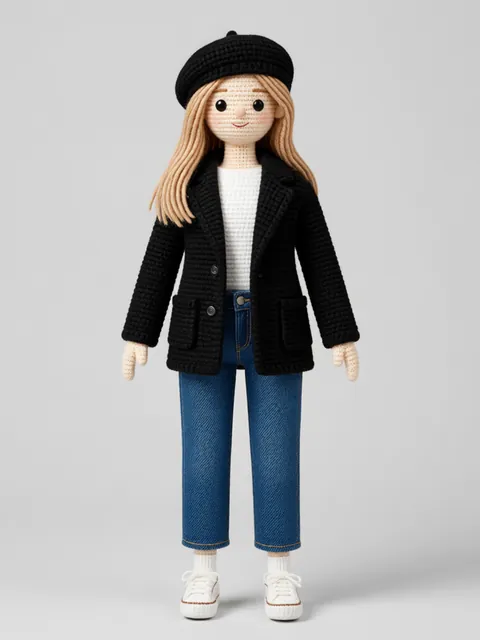
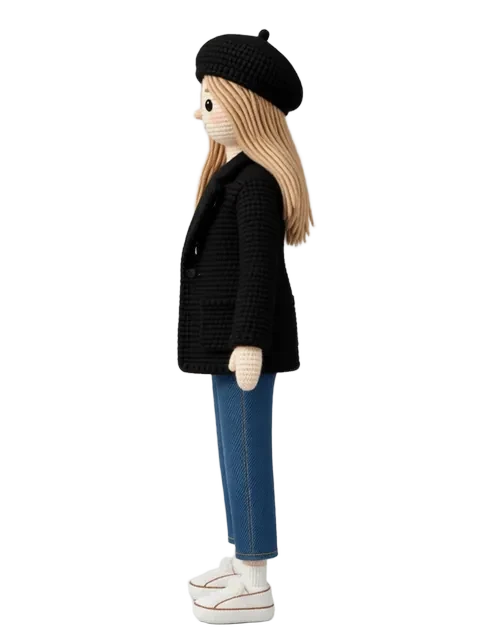
For each Major Arcana character, produce an 8-angle reference sheet showing front, front-3q4, right-profile, back-3q4, back, back-3q4-left, left-profile, and front-3q4-left views. These references become your consistent source when that character appears in multiple card compositions — The Fool upright vs. reversed, or cameos across other cards in the deck.
- 03
Create Minor Arcana court cards (Page, Knight, Queen, King) per suit with consistent character per court rank
Design the court card family for each of the four suits (Cups, Pentacles, Swords, Wands). The Knight of each suit should share visual DNA across suits while remaining distinct. Generate 8-angle references for the Queen of each suit, the King of each suit, and the Page/Knight per suit to maintain consistency when these characters appear in different poses and settings across the Minor Arcana.
- 04
Export card art at 822x1122px (300dpi with 3mm bleed)
Set up your export template at 822x1122 pixels — that is the standard 2.75x4.75-inch tarot card size at 300 DPI with a 3mm trim margin for full-bleed printing. Every card composition, whether Major Arcana or Minor Arcana, should use this exact template so your printer receives a uniform batch. Include trim marks and ensure the bleed zone extends 3mm beyond the trim edge on all four sides.
- 05
Package the deck with consistent card back design using a protagonist character motif
Design the card back with a protagonist character motif drawn from your Major Arcana cast — a central character or emblem that looks correct when rotated 180 degrees (symmetrical or near-symmetrical). Export at the same 822x1122px dimensions. Package all 78 card fronts plus the card back design as print-ready files, organized by suit and arcana type for the printer.
- Build a character style guide document before generating any card art — list each character with their visual specs so you never guess mid-project.
- Keep the color palette limited across the deck; a 12-16 color gamut shared by all 78 cards creates a cohesive look even when individual card illustrations vary.
- Use the 8-angle reference to test character recognizability — the silhouette alone should identify The Fool vs. The Magician without seeing facial details.
- Print a test sheet of 4-6 cards at actual size before committing to the full deck; color shifts and contrast issues are much easier to catch on paper than on screen.
- Name your files with a consistent convention: MajorArcana_00_Fool_Front.jpg, MinorArcana_Cups_Queen_Profile.jpg, etc. Your printer will thank you.
- Consider cultural interpretations of your Major Arcana characters — a diverse cast expands your deck’s audience and adds visual richness.
- Design court card characters with distinct body language per rank: Pages are curious and open, Knights are dynamic and forward-leaning, Queens are composed and seated, Kings are grounded and authoritative.
- Back up your reference sheets separately from your card art exports. If a client requests a sequel deck or expansion, those original references save weeks of redesign.
Frequently asked questions
What image format should I export my tarot card art in?
How does the free tier handle a full 78-card tarot deck project?
Can I maintain the same art style across all 78 tarot cards with AI generation?
What resolution do I need for a professional-quality tarot deck?
Ready to create consistent character views?
Upload a reference image and generate multi-angle views that stay true to your character.
Start generating