
How to Create Character Art for Solo RPG Journaling Games
Solo RPG journaling games like Thousand Year Old Vampire, Apothecaria, and Colostle live in the space between diary entry and illustrated manuscript. The character art is not just decoration: it is a companion on the page, a visual anchor for the story unfolding in handwritten prose. A watercolor or sketch aesthetic suits the intimate, reflective nature of journaling play far better than polished digital art ever could. Answer: Create a watercolor-style character portrait at A5 or 6x9in journal page size at 300dpi, generated from an 8-angle reference sheet so your character appears consistently across journal entries, with spot illustrations for key story moments that live between diary sketch and finished illustration.
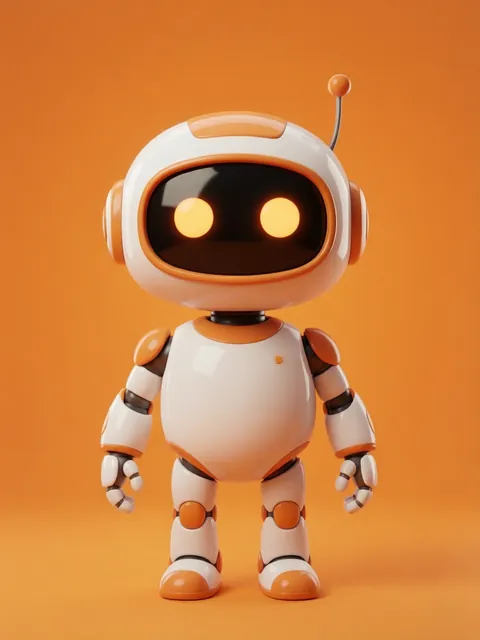
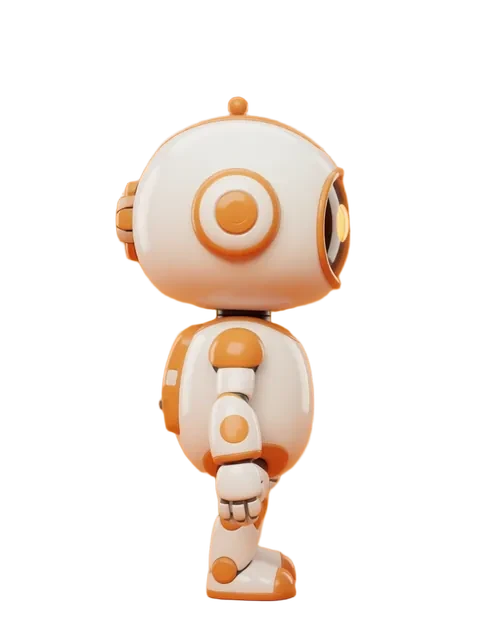


- 01
Design Your RPG Journaling Protagonist
Define a character that fits your chosen game world. A melancholy vampire with period clothing for Thousand Year Old Vampire, a village witch with herb pouches for Apothecaria, or an explorer in patchwork gear for Colostle. Design with a watercolor or ink-sketch aesthetic: visible brush strokes, soft edge bleeding, and a slightly unfinished quality that feels hand-drawn into a journal.
- 02
Generate 8-Angle Reference in Watercolor Sketch Style
Create a reference sheet at 3600px wide with character views that suit journaling: contemplative profile, looking down at a journal, looking up with wonder, hands visible for prop interaction. The watercolor style should carry through all angles consistently. This sheet is your reusable master: each journal entry illustration pulls a fresh angle from it.
- 03
Create Journal-Sized Character Portrait from Reference
Select an angle from your reference sheet and compose a character portrait on an A5 canvas (148x210mm at 300dpi, or 1748x2480px). Leave generous margins as a journal would. Add subtle paper texture and soft vignette edges. The character should feel like it was drawn directly onto the journal page, not dropped in from a separate illustration program.
- 04
Create Spot Illustrations Per Journal Entry Prompt
Journaling games use writing prompts that suggest scenes: your character discovering a hidden room, meeting a stranger, finding a mysterious object. Create small spot illustrations (roughly 400x400px at 300dpi) pulled from the character reference to accompany key journal entries. These sit inline with handwritten text the way marginalia illustrations appear in old manuscripts.
- 05
Export at Journal Page Size with Print-Ready Settings
Export all art at A5 (148x210mm) or 6x9 inches at 300dpi in PNG or high-quality JPEG. If you intend to print your completed journal through a service like Lulu or Blurb, export as CMYK TIFF files with 3mm bleed. For digital-only journaling in apps like Notion or a PDF journal, sRGB JPEG at quality 90 ensures compatibility across devices.
- Use a watercolor or ink-wash style prompt keyword consistently across all generations to maintain aesthetic cohesion
- Export A5 at 300dpi (1748x2480px) as your master size — it scales down for digital journaling and up for print without loss
- Add paper texture as a final layer in your composition to sell the hand-drawn journal aesthetic
- Keep character expressions subtle — melancholy, wonder, and quiet resolve suit journaling games more than broad comedy
- Generate spot illustrations at 400px square minimum so they remain clear when placed inline with handwritten or typed journal text
- Label each character angle in your reference sheet by emotional register so you can quickly match art to writing prompt mood
- If printing a physical journal book, export final pages as CMYK with 3mm bleed and confirm specs with your print-on-demand service first
- Back up your character reference sheet and all spot illustrations in a dedicated game folder so you never lose art mid-campaign
Frequently asked questions
What dimensions should solo RPG journal illustrations be?
Why use watercolor style specifically for journaling game art?
How many character illustrations do I need for a full journaling campaign?
Can I create solo RPG journaling art with the free tier?
Ready to create consistent character views?
Upload a reference image and generate multi-angle views that stay true to your character.
Start generating