
Create Character Art for Online Course Curriculum
Online course creators compete on perceived production value — and consistent character illustrations across your curriculum signal premium quality before students even start lesson one. A course mascot appears in module headers, lesson thumbnails, downloadable workbook PDFs, completion certificates, and your sales page hero — creating a cohesive learning experience that feels professionally produced. Multi-angle AI generation makes this achievable without an illustration budget. You create one 8-angle reference sheet of your course character then generate curriculum assets that all feature the same consistent mascot. Answer: This guide covers designing a course mascot aligned with your topic, building an 8-angle reference for curriculum-wide asset reuse, and creating illustrations optimized for Teachable, Thinkific, Podia, and Kajabi course platforms.
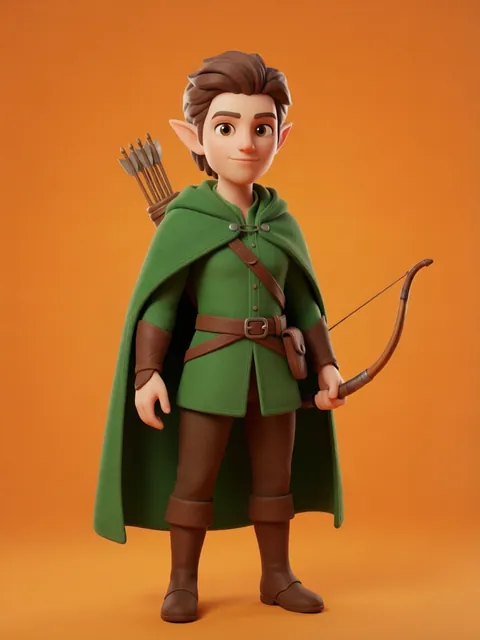

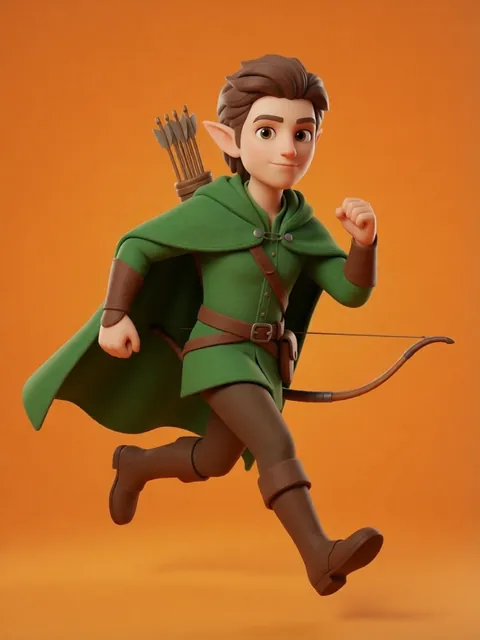

- 01
Design Your Course Mascot Aligned with Your Topic
Create a character that visually represents your course subject. A coding course might use a friendly robot or pixel-art character. A fitness course might use an energetic animal mascot. A business course might use a mentor-style character. A creative course might use an artsy animal or abstract character. The mascot should feel like a guide or companion on the learning journey — someone students enjoy seeing at each new module. Generate front-view concepts and iterate with your course branding colors.
- 02
Generate an 8-Angle Reference for Curriculum Asset Reuse
Produce a full 8-angle reference sheet of your course mascot. This reference is critical because curriculum assets use the character across different contexts — a module header might need a three-quarter view while a certificate might use a front-facing celebration pose. Having all eight angles documented means every asset stays on-model. Download the reference grid and refer to it for every subsequent asset generation.
- 03
Create Module Header Illustrations
Generate module header images (typically 1280x720px) that feature your mascot alongside the module number and topic. Each module gets a unique illustration where the mascot interacts with module-specific visual elements — for a coding course module on APIs the mascot might hold a network diagram, for a fitness module on nutrition it might hold a plate of healthy food. This visual differentiation helps students mentally separate course sections and builds anticipation for each new module.
- 04
Create Workbook and Certificate Illustrations
Extend the mascot into downloadable assets. For workbook PDFs create small spot illustrations (200-300px wide) where the mascot appears next to key concepts, exercise headers, or chapter dividers. For completion certificates generate a celebratory mascot pose at certificate resolution (typically 2550x3300px at 300dpi for print-quality 8.5x11). The mascot on the certificate feels like a personal congratulations from the character who has been with them the whole course.
- 05
Create the Sales Page Hero Image
Generate the course sales page hero image at 1280x720px featuring your mascot demonstrating the course transformation — the before/after moment your students experience. For a coding course the mascot could show a computer with code transforming into a completed app. For a fitness course the mascot could show a progression from starting pose to accomplished pose. This hero image sits above the fold on your course sales page and directly communicates the outcome students are buying.
- Match your mascot to your course topic so it feels native — a cooking course fox in an apron works better than a generic smiley face
- Module header illustrations should visually differentiate so students recognize which module they are in at a glance
- Spot illustrations in workbooks break up text density and make PDFs feel more premium than text-only alternatives
- Certificate illustrations at 300dpi ensure the mascot looks sharp when students print and frame their certificate
- Use your course brand color palette on the mascots accessories so the character feels integrated with your overall brand
- The sales page hero should show transformation — not just a happy character but one demonstrating the before/after
- Generate lesson thumbnail variations from your reference for platforms like Teachable that show thumbnails in course players
- Keep workbook spot illustrations consistent in size and placement so the PDF has professional layout rhythm throughout
Frequently asked questions
What image sizes do I need for online course platform illustrations?
Which online course platforms support custom character illustrations?
Can I create course character art on the free tier?
How many illustrations does a typical online course need?
Ready to create consistent character views?
Upload a reference image and generate multi-angle views that stay true to your character.
Start generating