
Create a Character Mascot for Your SaaS Landing Page
A brand mascot gives your SaaS product a face customers remember. Instead of stock illustrations that every competitor uses, a custom character creates instant recognition across your landing page and product UI. With multi-angle AI generation you can produce a consistent mascot reference sheet, then render that same character in poses for hero sections, feature cards, pricing tables, about pages, and CTA banners. Beyond the marketing site the mascot works in your actual product too — empty states, loading screens, error pages, onboarding tooltips, and achievement badges all benefit from a friendly face. Answer: This guide walks through designing a SaaS mascot, generating an 8-angle reference sheet for pose consistency, and exporting web-ready art for every touchpoint in your product experience.
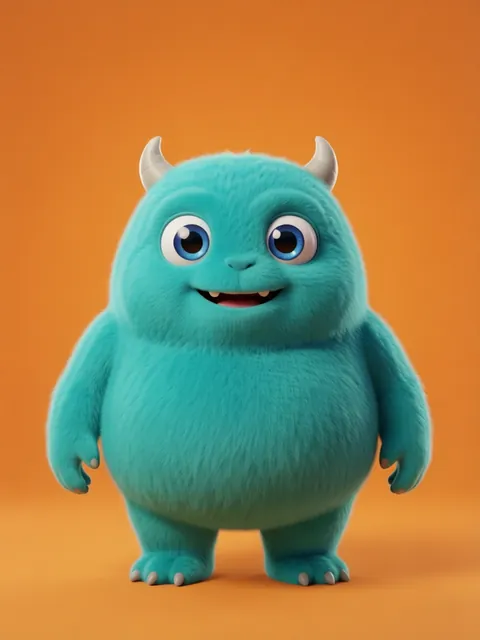
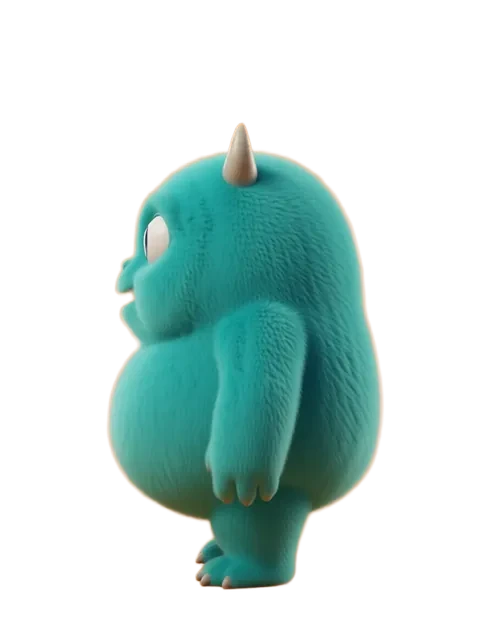

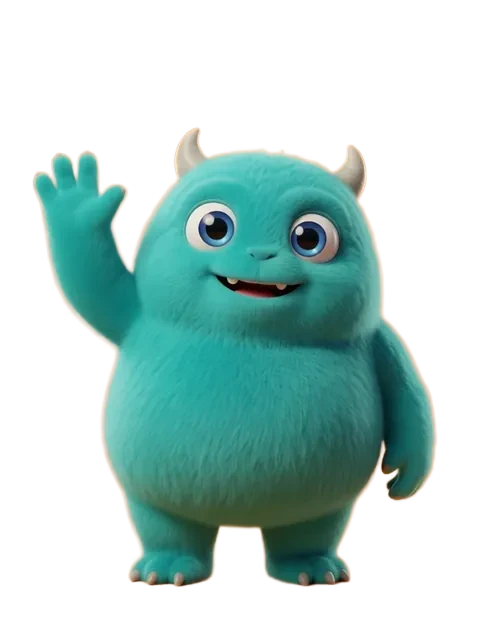
- 01
Design Your SaaS Brand Mascot
Start by defining your mascot personality — is it friendly, professional, or playful? Choose an animal, robot, object, or abstract character that aligns with your product category. A project management tool might use an organized owl; a developer tool might use a helpful robot. Generate a front-facing character portrait and iterate until the expression, color palette, and style match your brand guidelines. Aim for a clean vector illustration aesthetic that will scale across contexts.
- 02
Generate an 8-Angle Reference Sheet
Use multi-angle AI to produce front, back, left, right, and four diagonal views of your mascot. This reference sheet ensures every subsequent pose stays consistent — the character proportions, facial features, and outfit details remain locked in. Download the reference grid and keep it as your production bible for all future mascot art. The 8-angle reference is the single most important asset for maintaining brand consistency.
- 03
Create Homepage Section Poses
From your reference sheet generate poses for each homepage section. Hero section gets a welcoming wave or confident stance. Features section gets the mascot interacting with product UI elements. Pricing gets a thoughtful comparison pose. About section gets a friendly team-oriented pose. CTA section gets an inviting gesture. Each pose reuses the same character from your reference so visual consistency is guaranteed across the entire landing page.
- 04
Create Product UI State Illustrations
Extend the mascot into your actual SaaS product. Generate illustrations for empty states (mascot pointing to where content will appear), loading screens (mascot with a progress indicator), error pages (mascot with a sympathetic expression), success confirmations (mascot celebrating), welcome onboarding (mascot waving hello), and achievement badges (mascot holding a trophy). These in-product moments turn utilitarian UI states into delightful brand touchpoints.
- 05
Export and Prepare for Implementation
Export all mascot art as optimized PNG files at appropriate resolutions for web and product use. For the landing page export at 2x retina quality. For product UI states export at the exact pixel dimensions your components need. If you plan to convert to true SVG format package the PNGs with notes for your illustrator — the multi-angle reference makes vector tracing much easier since the character is documented from every angle. Organize files by context (marketing site vs product UI) for clean handoff to your development team.
- Choose a mascot personality that matches your product voice — B2B tools suit professional, consumer apps suit playful
- Test mascot concepts with your team before generating the full reference sheet to save regeneration time
- The 8-angle reference sheet is your single source of truth — regenerate any pose that drifts from it
- Keep the vector illustration style clean and simple so the mascot reads well at small sizes in UI contexts
- Use your brand color palette for the mascots outfit or accessories to reinforce visual identity
- Empty states are your biggest in-product opportunity — they appear constantly and currently show nothing
- Export product UI illustrations at 1x and 2x so they look sharp on both standard and retina displays
- If converting to SVG later give your illustrator the reference sheet so vector traces match across all poses
Frequently asked questions
What angle views do I need for a SaaS mascot reference sheet?
What image format should SaaS mascot illustrations use?
Can I create a SaaS mascot on the free tier?
How many poses does a SaaS mascot typically need across the full product experience?
Ready to create consistent character views?
Upload a reference image and generate multi-angle views that stay true to your character.
Start generating