
Create Character Art for a Nonprofit Campaign
Nonprofit campaigns succeed or fail on emotional connection — and a campaign character gives donors someone to care about. Whether you are running an animal welfare fundraiser, a childrens literacy drive, or an environmental protection campaign, a consistent character across your donation page, social posts, email appeals, event flyers, and impact reports creates narrative continuity that drives giving. Multi-angle AI generation lets you design a trustworthy campaign character and deploy that same character across every fundraising touchpoint. Answer: This guide covers designing a cause-aligned campaign character, generating an 8-angle reference for campaign-wide asset consistency, and creating illustrations for donation pages, social media campaign series, email appeal headers, event flyers, and impact reports — purpose-built for charity fundraisers, awareness campaigns, and annual giving drives.
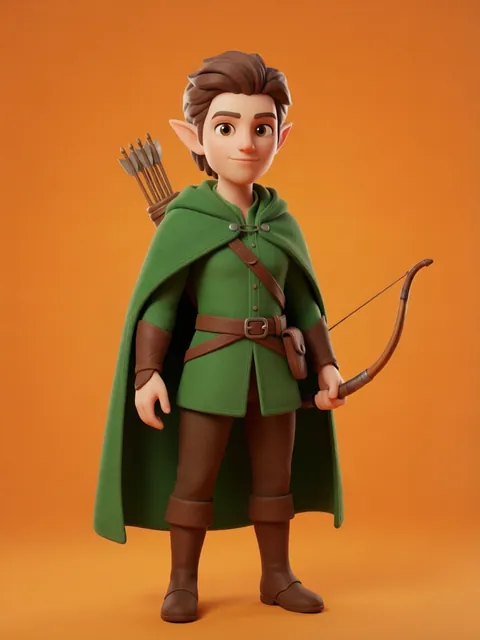

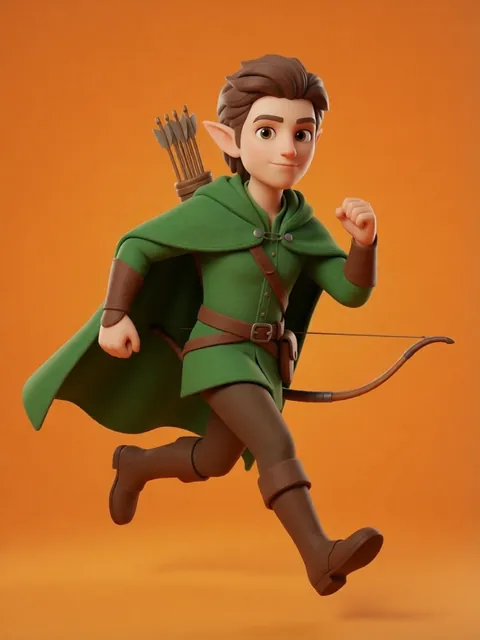

- 01
Design a Campaign Character That Evokes Your Cause
Create a character that directly connects to your nonprofit mission. Animal welfare: a rescue animal mascot with expressive eyes. Childrens literacy: a book-loving child character discovering worlds through reading. Environmental conservation: a nature guardian character protecting forests or oceans. Food insecurity: a community helper character. The character should evoke empathy without being manipulative — authentic, trustworthy, and aligned with your organizations values.
- 02
Generate an 8-Angle Reference for Campaign Asset Consistency
Produce a full 8-angle reference sheet of your campaign character. Nonprofit campaigns use the character across many formats — a donation page hero might use a front-facing hopeful expression, a social media awareness post might use a three-quarter view, and an impact report might use a side-angle showing the character with campaign results. The reference sheet ensures the character is instantly recognizable whether it appears in an email header or on a printed event flyer.
- 03
Create the Donation Page Hero
Generate a donation page hero image featuring your campaign character in a hopeful or determined pose. This is the highest-conversion asset in your campaign — it sits above the donation form and directly influences whether visitors become donors. The character should look toward the donation button or directly at the viewer with an expression that communicates your campaign will make a difference with their help. Export at 1280x720px for web donation pages.
- 04
Create the Social Media Campaign Post Series
From your reference sheet generate a series of social media illustrations that tell your campaign story across multiple posts. Awareness post: character introducing the problem. Call-to-action post: character asking for support. Impact post: character showing what donations achieve. Thank-you post: character expressing gratitude. Each post uses the same character but different expressions and contexts to create a narrative arc that followers engage with over time.
- 05
Create Impact Report and Email Appeal Illustrations
Generate an impact report illustration showing your campaign character alongside visualized campaign results — number of animals rescued, children reached, or acres protected. This goes in your annual report PDF and on your website impact page. Also create an email appeal header (600x200px) with the character for fundraising email sends. The impact report illustration closes the loop for donors by showing the character they supported making a difference, which drives repeat giving.
- The campaign character should evoke empathy authentically — avoid cartoonish exaggeration that can feel manipulative
- Use warm color palettes (soft oranges, greens, blues) that feel trustworthy rather than urgent or alarming
- The donation page hero is your highest-ROI asset — invest the most iteration effort here
- Create the social media series as a narrative arc (problem, ask, impact, thanks) for sustained follower engagement
- Email appeal headers with the campaign character increase open rates through visual recognition in the inbox
- Impact report illustrations show donors their money worked — this is the single best driver of repeat donations
- Test your donation page hero with and without the character to measure the conversion uplift
- Create a version of the character in a thank-you pose specifically for donor acknowledgment emails and social posts
Frequently asked questions
What kind of character works best for nonprofit campaigns?
What sizes should nonprofit campaign illustrations be?
Can I create nonprofit campaign character art on the free tier?
How do I make sure my campaign character does not feel manipulative to donors?
Ready to create consistent character views?
Upload a reference image and generate multi-angle views that stay true to your character.
Start generating