How to Create Character Art for an NFT Collection Generator
Launching a 10K PFP collection starts long before the mint button goes live. Every generative NFT collection needs a base character whose style DNA holds across hundreds of trait combinations. Without a locked multi-angle reference sheet, your artist team will drift and your collection loses visual coherence by token #3000. Answer: Generate an 8-angle character reference sheet first, then build trait layers (background, skin, outfit, headwear, eyewear, mouth, accessory) from the front view. Export every trait PNG at a consistent canvas size — 400x400px or 500x500px — with transparent backgrounds. Run the output through a HashLips-compatible engine to validate metadata before generation. This guide covers the full art production pipeline from reference sheet to collection-ready asset export. (Not financial advice — this is about the art workflow.)
- 01
Design the base character in an 8-angle reference sheet
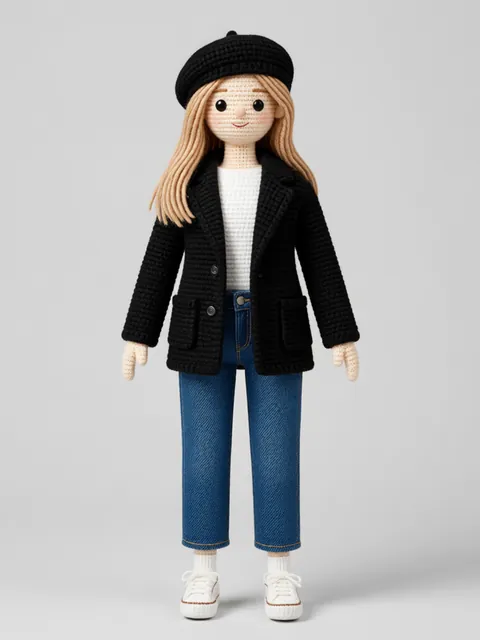
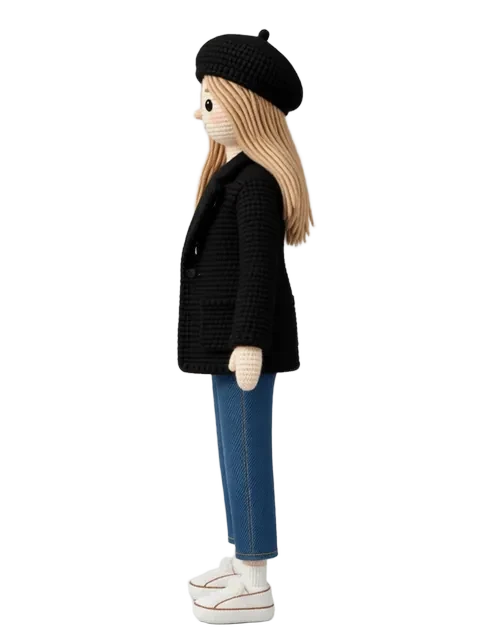
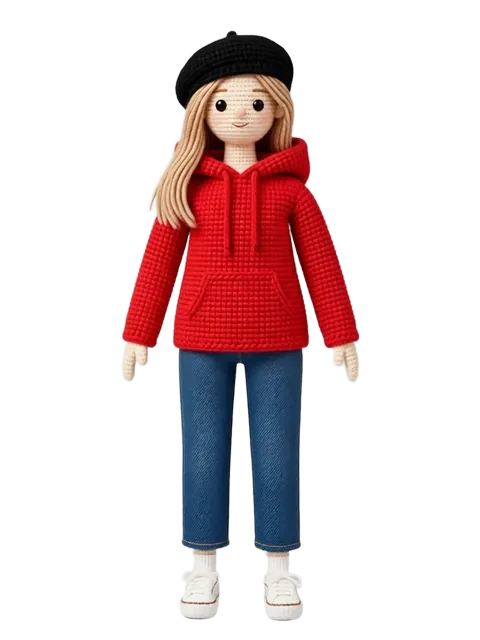
Start with a front-view character design that defines your collection’s style DNA — line weight, color palette, shading method, and proportion system. From that front view, generate the 7 remaining angles (front-3q4, profile, rear-3q4, rear, rear-3q4-opposite, profile-opposite, front-3q4-opposite). Lock this reference sheet before any trait artist begins work. Every trait variant must trace back to this sheet’s proportions so all 10,000 generated tokens share a unified visual identity.
- 02
Create trait layer variants from the front view reference
Working from the locked front view, design 5–15 variants per trait category. Common PFP trait categories: background (solid colors, gradients, scenes), skin/base (body types, species variants), outfit (clothing tiers from common to legendary), headwear (hats, crowns, hoods), eyewear (glasses, visors, blindfolds), mouth (smiles, frowns, open mouth, accessories), and accessory (earrings, necklaces, face marks). Each variant must align precisely to the base template at the chosen canvas size so the generator engine stacks layers without offset.
- 03
Generate a trait rarity distribution map
Rarity drives collection economics and secondary-market dynamics. Map every trait variant to a rarity tier — Common (50–60% of collection), Uncommon (20–25%), Rare (10–15%), Epic (3–5%), Legendary (1–2%). Within each trait category, ensure the rarity percentages sum to 100%. Document this in a spreadsheet your metadata generator will consume. Pro tip: put your most visually striking variants in the Uncommon tier, not Legendary — those are the tokens most holders will actually own and share on social media.
- 04
Export trait PNGs with consistent canvas size and transparent backgrounds
Export every single trait layer variant as a PNG with transparent background at your chosen canvas size — 400x400px for standard PFPs, 500x500px for higher-resolution collections. Naming convention is critical: use the format {trait-category}_{variant-name}.png (e.g., headwear_crown-of-thorns.png). Every PNG must share the exact same canvas dimensions and alignment origin so the generator engine stacks layers without offset. Batch-validate by running a 100-image test generation and checking for alignment drift.
- 05
Generate metadata JSON and test with a collection generator engine
Build your metadata JSON following the OpenSea metadata standard with an attributes array where each entry contains trait_type and value fields. Feed your trait PNGs and metadata into a HashLips-compatible generation engine. Run a full 10K test generation locally and spot-check at least 200 outputs for alignment issues, missing traits, and visual coherence. Generate the collection preview image (a grid of roughly 100 samples) for your mint website. Export final assets and metadata ready for IPFS upload and contract deployment.
- Hire one lead artist for the base reference sheet and different artists for trait variants — the reference sheet keeps everyone aligned to the same style DNA.
- Use a numbered grid overlay on your canvas template so variant artists can align elements to precise pixel coordinates.
- Name trait files with the convention {category}_{variant-number}_{variant-name}.png for machine readability when the generator parses the directory.
- Test rarity distribution by running a 1,000-sample batch first — rarity bugs caught early save regenerating an entire 10K collection.
- Put your most recognizable traits in the Common tier — those are the tokens your community will share most on Twitter and Discord.
- Include 3–5 one-of-one (1/1) Legendary traits that create collection buzz and high secondary-market listing prices.
- Export at 2x your target resolution during development so you can downscale cleanly for final output with no interpolation artifacts.
- Before final generation, run a trait collision check — some combinations may produce visual glitches (e.g., two headwear items attempting to occupy the same space).
Frequently asked questions
What canvas size should NFT collection trait PNGs use?
How many trait categories does a competitive 10K collection need?
Can the free tier generate NFT collection character art?
What metadata format do NFT generators expect?
Ready to create consistent character views?
Upload a reference image and generate multi-angle views that stay true to your character.
Start generating