
Create Character Art for Itch.io Game Page Assets
Your itch.io game page is competing with thousands of other indie games for attention, and the game cover image is the single most important visual asset on the page. A strong character as the cover focal point — rendered in your actual in-game art style — tells players what kind of experience they are getting before they read a word of your description. Multi-angle character references ensure that same character shows up consistently in your cover, screenshots, and any page customizations. Answer: Generate your game character as an 8-angle reference in your in-game art style, compose a 630x500px cover with the character as the hero element, and export all page assets under 1MB each so your itch.io page loads fast and looks professional.
- 01
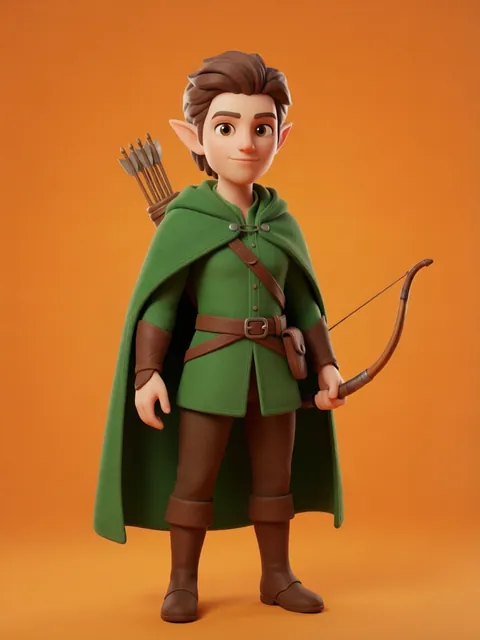
Generate your game character in the in-game art style
Create your game protagonist (or key NPC) in your actual in-game art style — pixel art, hand-drawn, low-poly 3D render, or vector illustration. The character should look exactly as they appear during gameplay, not a promotional-only polished version. When players install your game and see the same character from the cover, the visual continuity builds trust and reduces refund-request friction.
- 02
Create 8-angle reference for asset reuse
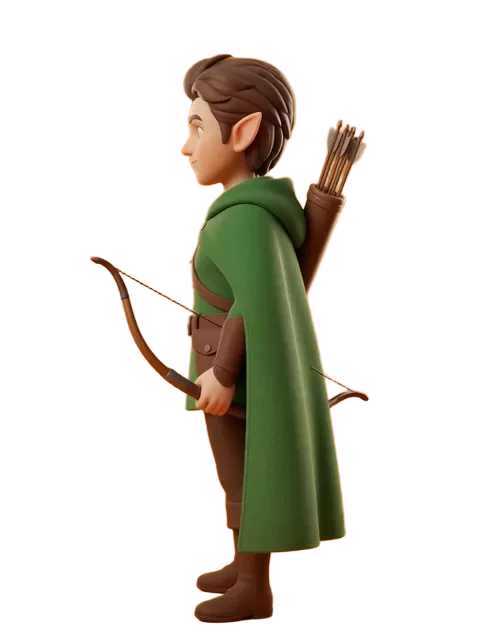
Generate an 8-angle reference sheet for your character showing front, front-3q4, right-profile, back-3q4, back, back-3q4-left, left-profile, and front-3q4-left views. This reference becomes the asset factory for your itch.io page — pull different angles for the cover (front-3q4 for a direct hero shot), screenshots (action angles for gameplay moments), and any page banner customization.
- 03
Compose the game cover at 630x500px with character as focal point plus game title
Design your itch.io game cover at exactly 630 x 500 pixels. Place your character prominently — centered for a hero shot, or offset if the game title dominates one side. Add your game title in a font that matches your game genre aesthetic (pixel font for retro games, clean sans-serif for modern indie). Keep the background minimal and atmospheric; it should frame the character, not compete with it. Test readability at 315x250px (itch.io browse thumbnail size).
- 04
Capture screenshot-style character moments at in-game resolution
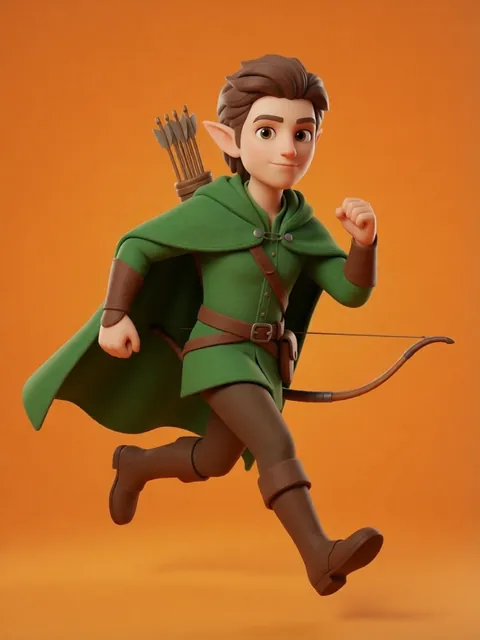
Create 3-5 screenshot-style compositions showing your character in gameplay scenarios: dialogue interaction, action sequence, idle exploration. These should look like actual game screenshots — consistent with the in-game UI style, camera perspective, and art direction. Each screenshot acts as social proof that your game looks as good in action as it does on the cover. Export at the game native resolution or the recommended itch.io screenshot dimensions.
- 05
Export all page assets with itch.io-optimized file sizes under 1MB each
Compress every asset to stay under itch.io recommended file sizes: cover image under 1MB, each screenshot under 1MB. Use JPEG at 85-90% quality for photographic-style art, PNG with posterization or indexed color for pixel art. Test page load speed by viewing your itch.io page in an incognito browser window on both desktop and mobile — slow-loading assets lose impatient browsers before they even see your game description.
- Design your cover image first — it is the thumbnail that appears in itch.io browse, search results, and external embeds. A weak cover means nobody clicks through to see your well-crafted screenshots.
- Use the actual in-game character resolution for screenshots. If your game runs at 640x360, your screenshots should be 640x360. Upscaled screenshots look blurry and undermine player confidence.
- Add a short animated GIF as one of your screenshots if itch.io supports it for your page. A 3-second character idle animation or walk cycle communicates more about your game feel than five static screenshots.
- Put your studio logo or game title subtly in the corner of every screenshot. When players share screenshots on social media, the source attribution travels with the image.
- Organize your itch.io page description to mirror your asset order: cover image at the top, character introduction in the first paragraph, gameplay screenshots alongside the feature descriptions, and a clear download/play button immediately after the character reveal.
- Test your cover image at 315x250px (the itch.io browse thumbnail size). If your character face and game title are both readable at that size, your cover passes the browse-feed test.
- If your game has multiple playable characters or important NPCs, generate a group composition for the cover rather than a solo character. Players browsing itch.io are drawn to covers that suggest a cast of characters and a larger story world.
- Update your itch.io page assets when you release major game updates. A refreshed cover and new screenshots signal active development and can re-engage players who previously passed on your game.
Frequently asked questions
What is the exact itch.io game cover image size?
Can I create all my itch.io page assets using the free tier?
What file format should I use for pixel art game assets on itch.io?
How do I make my itch.io game page stand out among thousands of other indie games?
Ready to create consistent character views?
Upload a reference image and generate multi-angle views that stay true to your character.
Start generating