
Create Character Art for Indie Comic Convention Table Displays
Your convention table has seconds to pull attendees out of the aisle traffic. A cohesive visual identity — where your banner, prints, postcards, buttons, and standee all feature the same character in consistent style — makes your booth look professional and intentional rather than thrown together. Multi-angle character references let you generate that lead character from every needed angle for every asset format. Answer: Use multi-angle character reference generation to build your convention booth asset kit from one consistent character design. From the 6-foot table banner down to the 1.25-inch buttons, every piece reinforces your comic brand because the character looks exactly right from every viewpoint.
- 01
Generate lead character in comic-book style with bold outlines
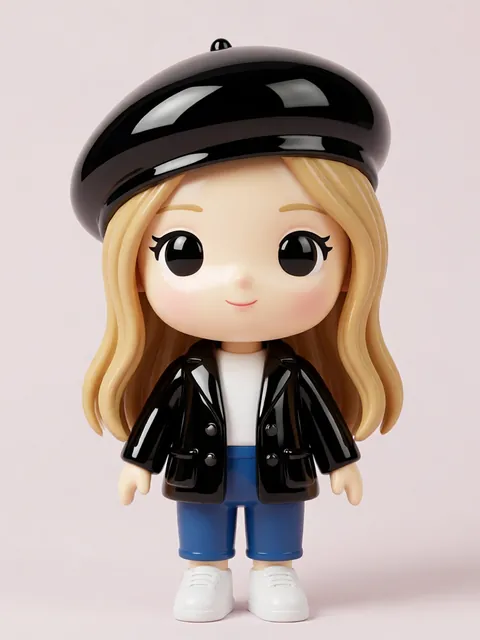
Design your primary character in a comic-book style with strong ink-like outlines, flat color blocks, and high-contrast shading — this style reads well from a distance and reproduces cleanly across all the different asset sizes you will need. Define the character with a clear silhouette, distinctive costume elements, and a signature color palette of 3-5 colors that will anchor every convention piece.
- 02
Create 8-angle reference for convention asset reuse
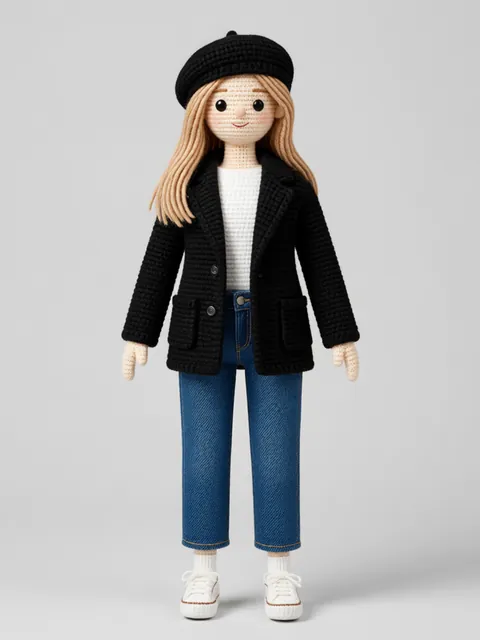
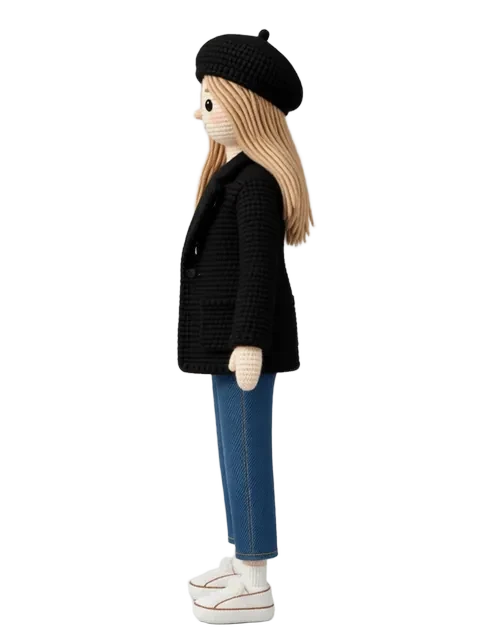
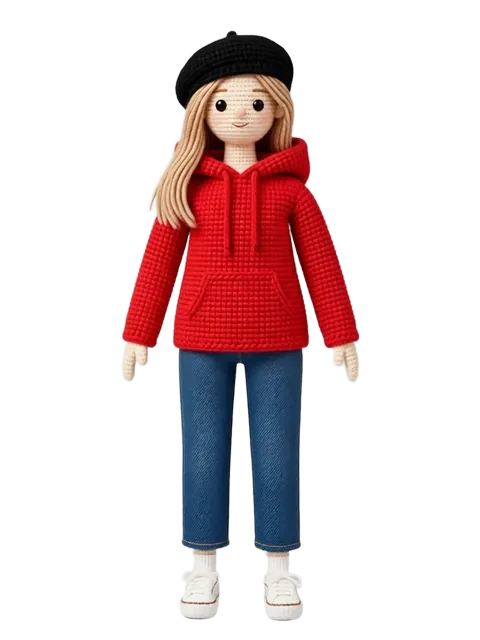
Generate front, front-3q4, right-profile, back-3q4, back, back-3q4-left, left-profile, and front-3q4-left views of your lead character. These angles let you pick the right pose for each asset — a 3q4 front shot for the table banner so the character faces incoming traffic, a profile for the standee cutout, a dynamic action angle for the 11x17 prints.
- 03
Design the table banner at 72x30 inches with character as focal point
Compose your 6-foot table banner at 72x30 inches (150dpi minimum) with your lead character as the visual anchor. Place the character on the left or center third, your comic title or studio name prominently on the right or across the top, and keep background elements minimal so the character pops against convention hall lighting. Export as a print-ready file that your banner printer accepts.
- 04
Create print-ready 11x17-inch art prints from hero poses in your reference
Select the strongest poses from your 8-angle reference — typically the front-3q4 and dynamic action angles — and expand them into full 11x17-inch print compositions. Add title treatment, your artist signature, and a small social media handle. These are your table sellers, so invest extra generation time in making each print feel like a finished piece rather than a cropped reference.
- 05
Export all assets with convention-optimized file organization into Print-Ready, Web-Preview, and Social-Media-Promo folders
Organize every asset into three clearly named folders. Print-Ready holds high-res CMYK files for the banner, prints, postcards, and standee. Web-Preview holds compressed RGB JPEGs for your online store and portfolio. Social-Media-Promo holds square-cropped and story-format versions pre-sized for Instagram, Twitter, and TikTok so you can post booth setup photos and art reveals during the convention.
- Test your banner design at 10% scale on a phone screen — if the character and title are readable at thumbnail size, they will work from across a convention hall.
- Print postcards as freebies with your social handles and a QR code to your webcomic or store; attendees grab them even if they do not buy a print, and they keep marketing for you after the con.
- Use the same character silhouette for your button designs — a recognizable outline at 1.25 inches is more effective than a detailed face that becomes a blur.
- Bring a fabric banner rather than vinyl if your budget allows — fabric folds without creasing, weighs less in luggage, and photographs better under convention center lighting.
- Print at least one extra copy of each 11x17 art print. Conventions are rough on inventory, and a damaged print with no backup is a lost sale.
- Design your standee as a self-supporting A3 or A4 cutout with a fold-out base. Character profile angles work best for standees since they are viewed from the side as people walk past.
- Coordinate your tablecloth color with your character palette — a simple solid tablecloth in one of your brand colors ties the whole display together without competing with the banner.
- Schedule your social media promo posts before the convention. Batch-export square, portrait, and story crops from your character art so you can post booth reveals, countdowns, and live updates without scrambling for assets.
Frequently asked questions
What resolution do I need for a 6-foot convention table banner?
Can I generate all my convention assets on the free tier?
What file format should convention printers use for best results?
How do I keep my character looking consistent across banner, prints, and tiny buttons?
Ready to create consistent character views?
Upload a reference image and generate multi-angle views that stay true to your character.
Start generating