
Create Character Art for Dating Sim Portraits
In a dating sim, the character portrait is the entire relationship. Players stare at these faces for hours, reading micro-expressions, searching for emotional cues, and building attachment one dialogue box at a time. A dating sim lives or dies on whether its romanceable characters feel alive enough to fall for. Answer: Design a cast of six to twelve romanceable characters, generate an 8-angle reference sheet per character to lock their visual identity from every direction, then create a portrait expression pack for each character containing six to eight emotional variants — neutral, happy, blushing, angry, sad, surprised, and flirty at minimum. Export every expression as a transparent PNG at 1920x1080px visual novel screen resolution, then import into Ren'Py using layered image definitions that let you swap expressions without reloading the base sprite. The expression pack is the core emotional vocabulary of your dating sim — each expression must read instantly at dialogue-box scale and convey a clear, distinct emotional state that advances the relationship narrative.
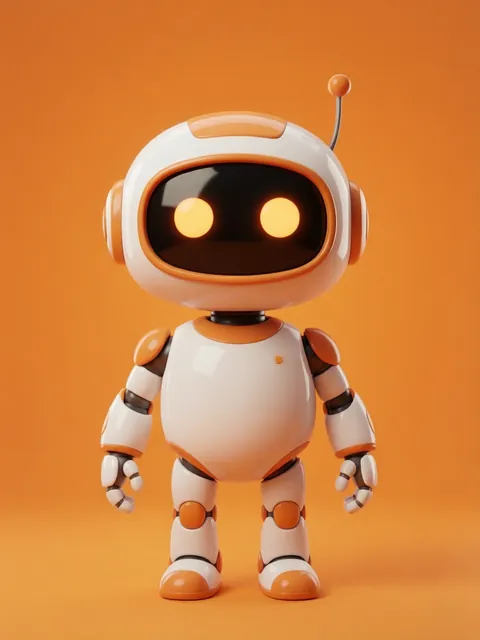
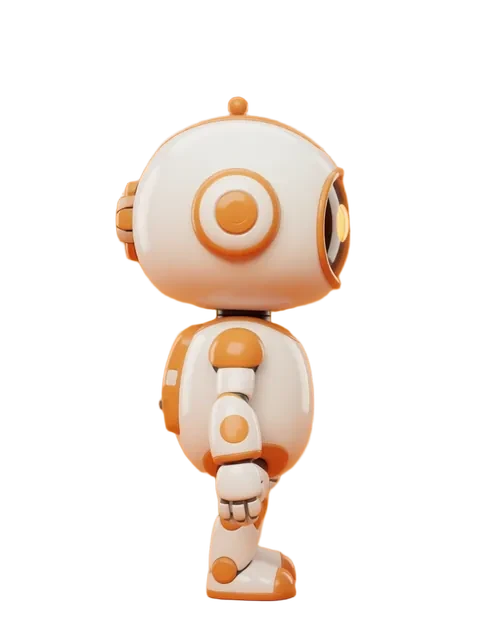
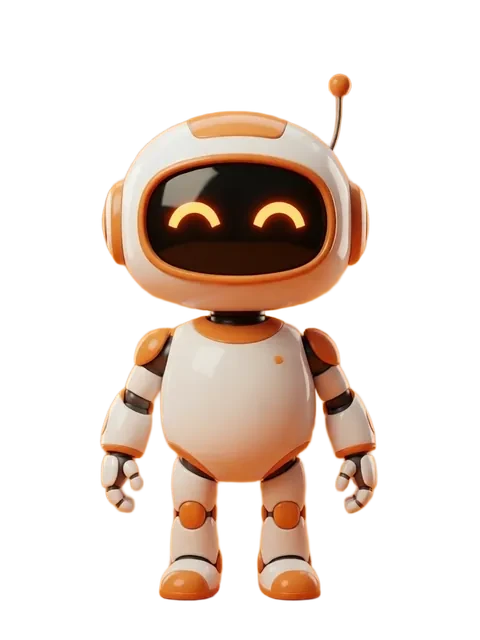
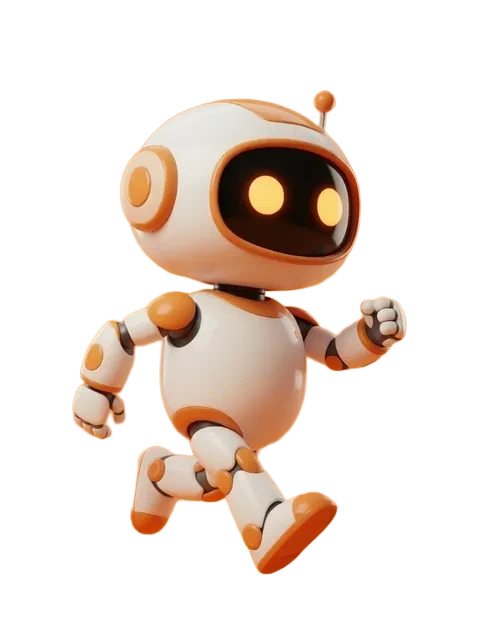
- 01
Design a Dating Sim Character Cast of Six to Twelve Romanceable Options
Plan your full romanceable character roster before generating any art. Dating sims typically feature six to twelve romanceable characters with balanced personality archetypes — the childhood friend, the mysterious transfer student, the tsundere rival, the gentle senpai, the aloof kuudere, and the energetic genki. Each character needs a distinct visual silhouette, color palette, and accessory language so players can identify them instantly even in small dialogue portraits.
- 02
Generate an 8-Angle Character Reference Sheet Per Character for Identity Lock
Generate a full 8-angle reference sheet for each character in the cast. The reference sheet locks the character visual identity — hairstyle from all sides, clothing details from every angle, and facial structure consistency. This step prevents the common dating sim problem where a character looks different in their surprise expression than their neutral expression because the underlying facial structure was never locked down from multiple viewing angles.
- 03
Create a Portrait Expression Pack with Six to Eight Emotional Variants per Character
Generate six to eight expression variants per character from the front view. The essential set includes neutral, happy, blushing, angry, sad, surprised, and flirty. Additional variants like embarrassed, crying, determined, and sleepy add emotional depth for longer visual novels. Each expression should use the same base face structure from the reference sheet — only the eyebrows, eyes, mouth, and blush overlay should change between variants.
- 04
Export Transparent PNGs at VN Screen Resolution of 1920x1080px
Export each expression variant as a transparent PNG at 1920x1080px canvas size with the character positioned for waist-up portrait framing. The transparent background is critical — visual novel engines composite character sprites over background art in real time. Make sure the alpha channel is clean with no semi-transparent fringe pixels around the character edges that would create a visible halo against dark backgrounds.
- 05
Import into Ren'Py Using Layered Image Definitions per Character
Set up Ren'Py layered image definitions for each character. Use the layeredimage statement to define the character base, then define expression groups as auto-attributes that swap individual facial layers — eyes, eyebrows, mouth, blush, and special effects. This lets you write "show akari happy" in Ren'Py script and have the engine composite the correct expression from layers without loading a separate full sprite for each emotion.
- Name expression files with a consistent pattern: character_name_expression.png — this makes Ren'Py auto-attribute detection work automatically
- Keep the character body and head as a single base layer and only swap facial feature layers for expressions — this prevents alignment drift between expressions
- Test blush expressions at 75% and 100% opacity to find the right intensity — oversaturated blush looks like sunburn at dialogue-box scale
- Otome games (female protagonist, male romance options) are the largest dating sim market — design your male character cast variety carefully
- Ren'Py layered images support "if" conditions — use them to show different outfits or accessories based on story flags
- Export expressions at the exact resolution they will appear in-game — scaling down in-engine introduces aliasing on fine facial lines
- Include a "side glance" variant for each character — characters talking to each other should look at each other, not at the player
- Visual novel screen resolution standard is 1920x1080px (16:9) — design all portraits at this canvas size even if your game runs at 1280x720px
Frequently asked questions
What resolution should dating sim character portraits be?
How many expressions does each dating sim character need?
Can I generate dating sim character portraits on the free tier?
How do I set up Ren'Py layered images for dating sim character expressions?
Ready to create consistent character views?
Upload a reference image and generate multi-angle views that stay true to your character.
Start generating