
Create Character Art for Children's Book Interior Spreads
A 32-page picture book depends on one thing: the main character looking the same on page 3 as they do on page 29. When a child turns the page and the character suddenly has different eyes, a different outfit, or weird proportions, you break the spell. Multi-angle character references make spread-to-spread consistency achievable — you generate the character once from 8 angles, then pose them across every illustration with the same face, body, and outfit locked in. Answer: Use multi-angle character reference generation to create your picture book protagonist, position them in key story poses, and export CMYK-ready spreads with text-safe zones so your illustrator brief or final art is print-ready from the start.
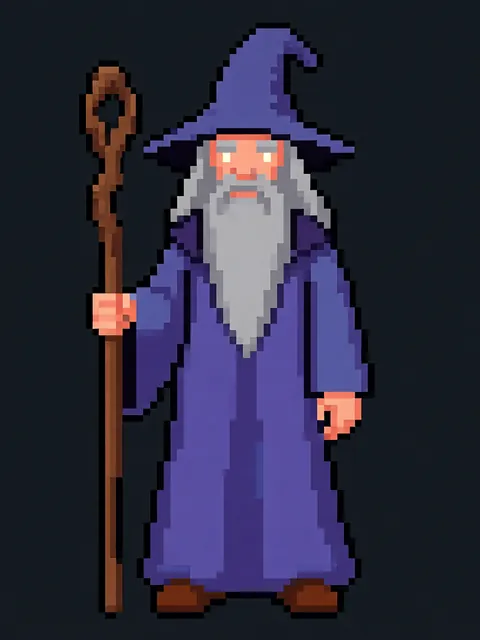
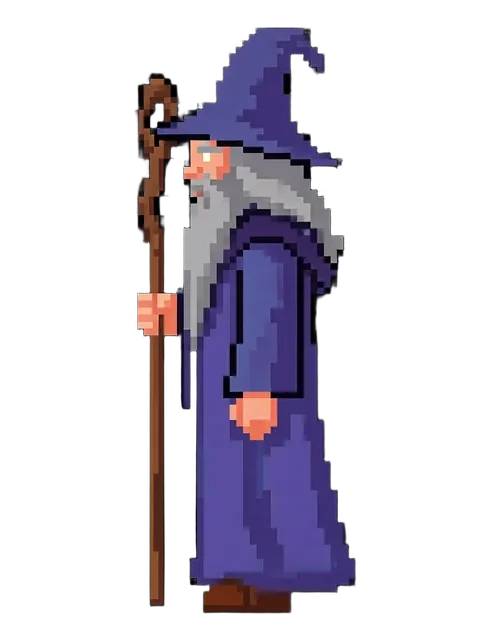


- 01
Generate 8-angle character reference in picture-book art style
Create your protagonist in your chosen picture-book style — watercolor, gouache, or digital painterly — as an 8-angle reference sheet covering front, front-3q4, right-profile, back-3q4, back, back-3q4-left, left-profile, and front-3q4-left views. Lock in facial proportions, outfit details, hair style, and body proportions so every spread pulls from the same visual model. This single reference sheet is the consistency anchor for the entire book.
- 02
Create the character in 6-8 key poses from the reference
Using your 8-angle reference as the source of truth, generate the character in the 6-8 key story poses your narrative requires — reading a book, running across a field, surprised with wide eyes, sleeping peacefully, reaching up toward something, and hugging another character. Each pose should pull from the closest reference angle and maintain identical facial features, outfit continuity, and proportional accuracy.
- 03
Compose spread layouts with character placement and text-safe zones
Design each 20x10-inch spread (two facing 10x10-inch pages) with the character placed inside the central 60-70% of the spread — the text-safe zone where the story text will overlay without covering the character. Vary your compositions: full-bleed spreads for emotional beats, vignette illustrations for dialogue-heavy pages, and spot illustrations for action sequences. Mark your text-safe zones clearly on each spread comp.
- 04
Verify character consistency across all spreads
Audit every spread side by side. Check that the character face matches across all poses, the outfit stays consistent (no missing buttons, no color shifts), and body proportions remain uniform. Print spreads at 50% scale on regular paper and flip through them like a book — consistency issues that are subtle on screen jump out when you physically page through. Flag any spread where the character looks off and regenerate from the reference.
- 05
Export spreads as CMYK TIFF with 3mm bleed for offset printing
Export each finalized spread as a CMYK TIFF at 300dpi (6000x3000 pixels for the full 20x10-inch spread) with a 3mm bleed on all four edges. Convert any RGB elements to CMYK before export. Include trim marks and name files sequentially (Spread_01_FrontMatter.tif, Spread_02_StoryStart.tif, etc.) so the printer receives a clearly organized batch. Confirm your printer bleed and color profile requirements before final export.
- Create a character color swatch card as part of your reference sheet — document the exact hex or CMYK values for skin tone, hair, outfit, and any repeating props so every spread color-matches.
- Work at double the intended print resolution during the composition phase (600dpi) and down-sample to 300dpi for final export; the extra pixel data gives you sharper down-sampling results.
- Design text-safe zones generously — leave the central 60-70% of each spread clear of critical character details, because text placement often shifts during final layout and you do not want to redo art.
- Print a mini dummy book at 50% scale on your home printer before sending files to the offset printer. A physical pagination check catches spread-sequence errors that are invisible on screen.
- Keep your original reference sheet and all pose generation settings documented. If the editor requests a revision spread months later, you can regenerate the character identically instead of trying to match the old art by hand.
- Vary your spread compositions rhythmically: full-bleed, vignette, spot, full-bleed, vignette, spot. Predictable layouts bore young readers; varied spreads create page-turn momentum.
- If your character interacts with a secondary character (sidekick, parent, pet), generate that character from its own 8-angle reference too. Inconsistent secondary characters are just as distracting as an inconsistent protagonist.
- Export a low-res RGB PDF proof alongside your print-ready CMYK TIFFs. Many children book editors and art directors prefer reviewing spreads as a continuous PDF rather than individual image files.
Frequently asked questions
What are the standard dimensions for a children picture book spread?
Can I create a full 32-page picture book character on the free tier?
Should I use RGB or CMYK for my children book art?
How do text-safe zones work in picture book spread composition?
Ready to create consistent character views?
Upload a reference image and generate multi-angle views that stay true to your character.
Start generating