
How to Create Character Art for a Board Game Box Cover
A board game box cover has exactly three seconds to sell the game. That is the time a browser takes to scan a Kickstarter thumbnail, an Amazon shopper takes to scroll past a grid of competing boxes, or a game store customer takes to decide whether to pull the box off the shelf. The character on your cover carries that three-second burden alone. A strong box cover hero needs a silhouette that reads at thumbnail size, an emotional expression that telegraphs the game experience, and a composition that leaves room for the title without feeling cropped. This guide walks independent board game designers through the full box cover pipeline: designing the hero character, generating an 8-angle reference for expansion consistency, composing the cover at manufacturer specifications, creating expansion box variants, and exporting production-ready CMYK files. Answer: You create board game box cover character art by designing a hero character with strong silhouette and emotional expression, generating an 8-angle reference sheet for expansion and sequel consistency, composing the box cover at manufacturer spec with character as focal point plus title zone, creating expansion box variants with the same character in new poses, and exporting CMYK at 300dpi with 3mm bleed for the manufacturer.
- 01
Design the Box Cover Hero Character
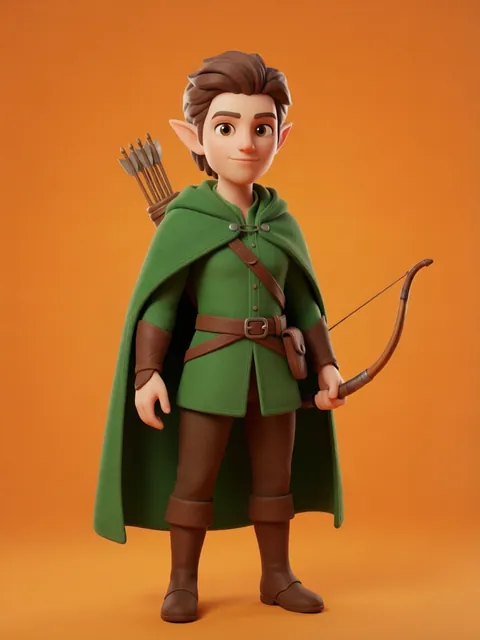
The box cover hero must sell the game in 3 seconds. Design for three simultaneous reads: thumbnail read (silhouette must be recognizable at 100x100px on Kickstarter), shelf read (emotional expression must telegraph game genre — wonder for exploration games, tension for strategy games, joy for party games), and close read (costume details, worldbuilding props that reward the player who picks up the box). Describe the character with game-mechanic specificity: what does this character DO in the game? A worker-placement farmer reads differently than a deck-building wizard. Include "cover pose" language — dynamic but not cluttered, facing slightly toward viewer, with clear negative space for title placement in the top 25% of the composition.
- 02
Generate 8-Angle Reference for Expansion and Sequel Consistency
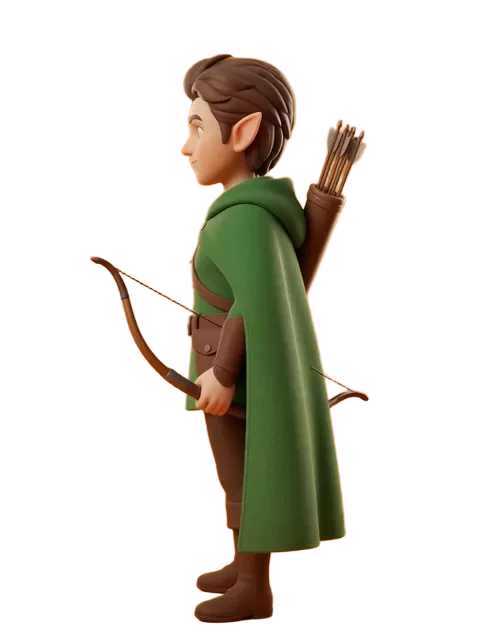
Generate the full 8-angle reference sheet at 2048x2048px per angle in your chosen art style. This reference serves two purposes beyond the box cover: it ensures the same character looks consistent in rulebook illustrations, card art, and player board portraits, AND it future-proofs your game for expansions and sequels where the same character appears in new contexts. The front-three-quarter angle is typically the strongest box cover pose; save the front-facing angle for rulebook "meet the characters" spreads. Use a consistent art style prompt across all views — if your box cover is painterly fantasy, maintain that style through all 8 reference angles.
- 03
Compose the Box Cover at Manufacturer Spec with Character as Focal Point
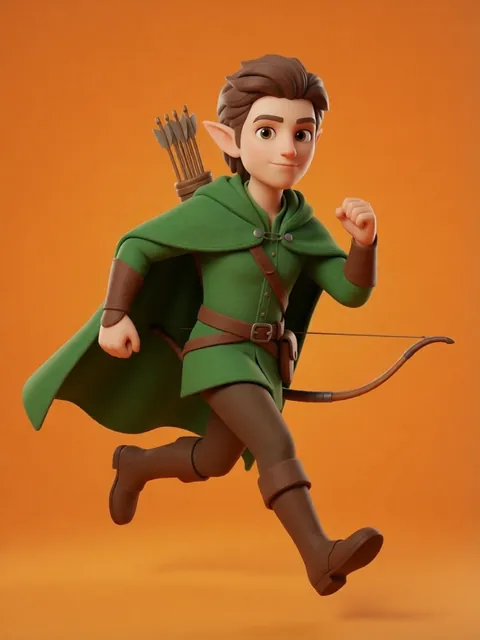
Compose your box cover at the manufacturer specification for your box size. Standard square box: 12x12in at 300dpi = 3600x3600px canvas. Standard Ticket to Ride size: 10.5x10.5in at 300dpi = 3150x3150px. Standard rectangular: 11.75x9.25in at 300dpi = 3525x2775px. Place the character as the focal point using rule-of-thirds: character center at the lower-right intersection for right-reading covers, leaving the top 25% as a dedicated title safe zone. Include the game title, subtitle, player count, age range, and playtime in the composition as placeholders so you verify the character does not crowd mandatory cover elements. Add a 3mm bleed zone (extend background art beyond trim edge) as a visible guide.
- 04
Create the Expansion Box Variant with Same Character in New Pose
An expansion box that looks different from the base game box confuses retail buyers. Design the expansion cover using the SAME character in a NEW pose from your 8-angle reference set. If the base game used the front-three-quarter angle, the expansion should use the side profile or back-three-quarter angle — same character, different energy, same brand recognition. Adjust the color palette of secondary elements (background, title banner) to signal "expansion" (often a complementary or analogous color shift) while keeping the character colors identical to the base game. Add the expansion subtitle clearly to avoid customer confusion between base game and expansion purchases.
- 05
Export CMYK at 300dpi with 3mm Bleed for Manufacturer Submission
Export the final box cover as CMYK TIFF at 300dpi with 3mm bleed on all sides. Convert from RGB to CMYK using the manufacturer-specified profile (usually Coated FOGRA39 or GRACoL2006). The bleed zone should extend background art 3mm beyond trim on all four edges — no critical information (text, character faces, game info) in the bleed zone. Export three files: full-wrap (front+spine+back as single file), front-cover-only (for marketing and Kickstarter page), and 3D box mockup (front cover mapped to a 3D box template for Kickstarter main image). Include a "printer-ready" package with embedded fonts, outlined text, and a trim-and-bleed guide layer.
- Test your box cover at 100x100px (Kickstarter thumbnail size) — if the character is unrecognizable, simplify the silhouette
- Design the cover for the Kickstarter "main image" crop first, then expand to full box dimensions
- Keep the character within 70% of the cover height — above that, retail shelf label strips will cover the head
- Use a 3D box mockup generator to preview how your cover looks on a physical box before printing
- For Gamefound campaigns, export an additional 16:9 landscape crop of your cover art for the campaign header
- Generate a "deluxe edition" cover variant with foil-stamp zones indicated for premium Kickstarter tiers
- Include a "component shot" compositing your character art onto rulebook covers, card backs, and player boards
- Store your cover art with all layers separated (character, background, title text, info bar) for easy localization
Frequently asked questions
What are the standard board game box dimensions I should design for?
Should I use RGB or CMYK for board game box cover art?
How do I handle the box spine design in the full-wrap export?
Does the free tier support board game box cover character art creation?
Ready to create consistent character views?
Upload a reference image and generate multi-angle views that stay true to your character.
Start generating