
What Is LoRA Fine-Tuning for AI Characters?
LoRA (Low-Rank Adaptation) is a fine-tuning technique that trains a small set of additional weights on 20–40 reference images of a specific character. Once trained, the model can generate new images of that character from text prompts without needing the reference image each time. Common in Stable Diffusion workflows.
In depth
LoRA fine-tuning is the most accessible path to character consistency in Stable Diffusion. You collect 20–40 diverse images of your character (different angles, expressions, lighting), run a training script (30–90 minutes on a consumer GPU), and the resulting LoRA file (~10–150MB) teaches the base model what your character looks like. After training, you can prompt for "your character doing X" and get reasonably consistent output. The trade-offs: training takes time and GPU resources; the LoRA works best for angles and poses represented in the training data (novel extreme angles may still drift); and you need a new LoRA for each character. EZ Character takes the opposite approach — identity-locking in a single generation pass without training — which is faster but narrower in the range of novel poses it can generate beyond the 8 standard angles.
Key points
- LoRA trains a small weight adapter on 20–40 images of your character (30–90 min on GPU)
- Once trained, you can prompt for new images without providing a reference each time
- Works best for poses/angles in training data; novel extreme angles may drift
- Requires one LoRA per character — doesn't scale well for large casts
- EZ Character takes the opposite approach: single-pass identity-lock without training
Related terms
Frequently asked questions
How long does LoRA training take?
LoRA vs. EZ Character — which should I use?
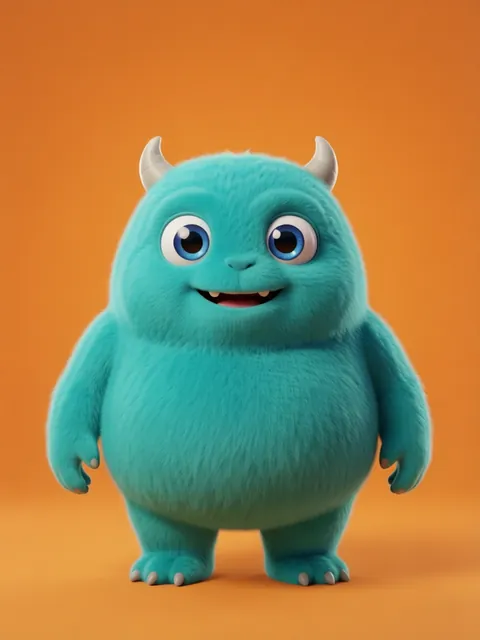
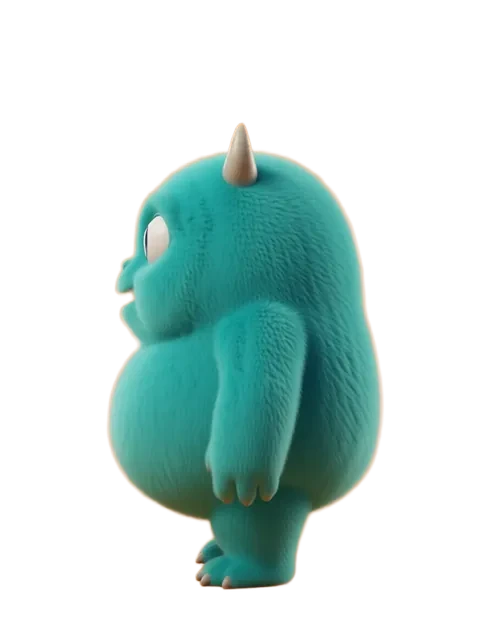
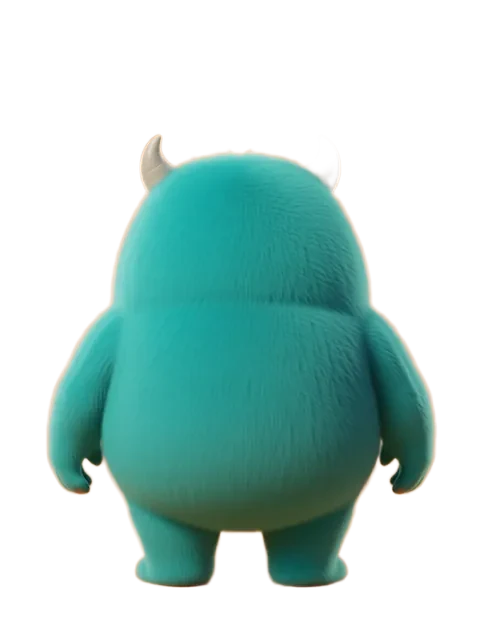
Generate your first character reference
Upload one image. Get 8 consistent angles. Apply what you just learned.
Try EZ Character freeFree tier: 40 credits every month. No credit card required.