
Best AI for Pixel Art Characters — Sprite Sheets, Multi-Angle Reference, and AI-Assisted Pipelines
Pixel art character creation sits at the intersection of AI generation and manual craft: AI produces excellent multi-angle character reference and initial sprite concepts, but professional pixel art demands the manual refinement that only a dedicated editor like Aseprite provides. Aseprite is the undisputed gold standard — its sprite sheet management, onion skinning, palette control, and animation timeline are purpose-built for pixel artists. What Aseprite does not do is AI generation — every pixel is placed manually. Midjourney and Stable Diffusion generate pixel-art-styled images but produce faux pixel art: high-resolution images with a pixelation filter, not true low-resolution pixel grids. EZ Character includes a dedicated pixel art style mode that produces multi-angle character reference in a true pixel-art aesthetic — the starting reference for manual refinement in Aseprite. The optimal pipeline uses AI for the reference pass and Aseprite for pixel-quality final output.
Aseprite vs EZ Character at a glance
| Criterion | EZ Character | Aseprite |
|---|---|---|
| Pixel art character reference | Multi-angle reference in pixel art style — 8 angles per job | Aseprite: manual creation only | MJ: faux pixel art (high-res + pixel filter) | SD: faux unless using specialised low-res models |
| Multi-angle sprite sheet | 4–8 consistent angles in one pass | Aseprite: yes — manual creation, full control | MJ: no | SD: no (pipeline required) | Leonardo: no |
| Pricing (entry) | $0 free tier (40 free credits every month) | Aseprite: $19.99 one-time | MJ: $10/mo | SD: free (self-hosted) | Leonardo: free daily tokens |
| True pixel-level editing | No — reference generation only | Aseprite: yes — industry standard | MJ: no | SD: no | Leonardo: no |
| Sprite sheet animation | No — reference angles only, no walk cycles | Aseprite: yes — timeline, onion skinning, frame management | MJ: no | SD: no | Leonardo: no |
| Palette control | No — post-generation palette reduction needed | Aseprite: yes — full indexed palette management | MJ: no | SD: limited via ControlNet | Leonardo: no |
| Best for | Multi-angle pixel art reference — the starting point for sprite sheets | Aseprite: final sprite-quality pixel art and animation | MJ/SD: pixel-art-styled concept exploration |
| Learning curve | Upload and go | Aseprite: moderate — pixel art skill required | MJ: Discord syntax | SD: steep |
When to use each
EZ Character
You need a multi-angle pixel-art-styled character reference set in one pass — the foundation for manual sprite refinement in Aseprite or direct use in a game engine.
Aseprite
Use Aseprite for all final pixel-level work — sprite refinement, animation frames, palette optimisation, and export. AI generates the reference; Aseprite makes it production-quality.
Frequently asked questions
Can AI generate real pixel art?
What resolution should pixel art character sprites be?
Is Aseprite still necessary if I use AI for pixel art?
What is the best AI-for-Aseprite workflow?
How many angles does a pixel art sprite sheet need?
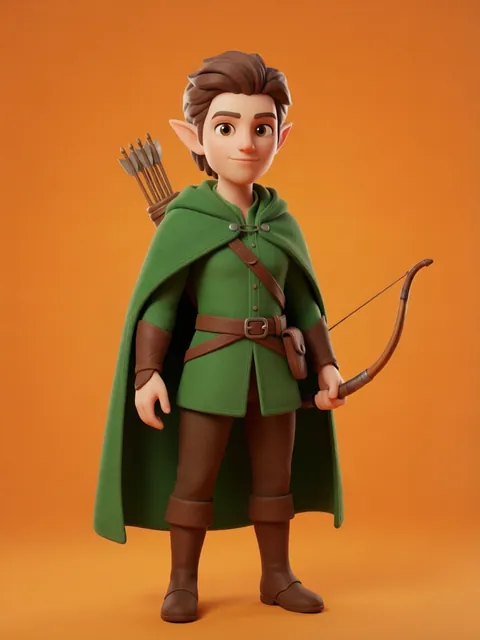
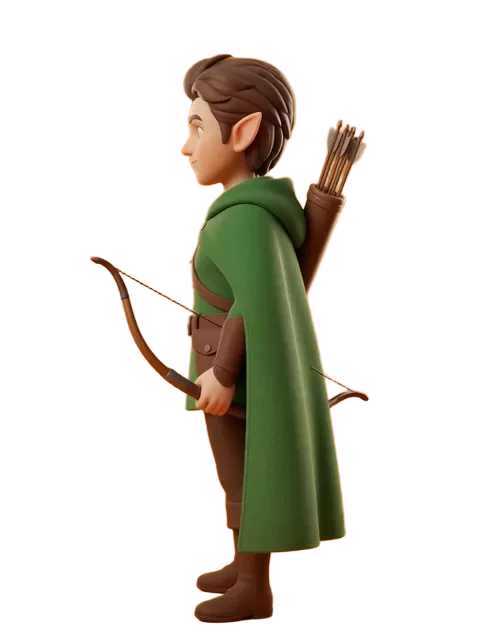
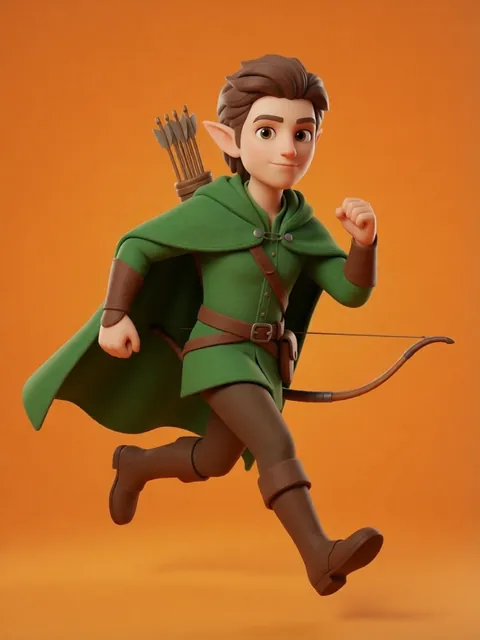
Try EZ Character free
Upload one image. Get 8 consistent angles. See the difference for your own character.
Generate your reference setFree tier: 40 credits every month. No credit card required.