
Generate Multi-Angle Views in Needle-Felt Wool Style
Needle-felted wool brings an irresistible handcrafted warmth to character design — fuzzy fiber texture, soft rounded forms, visible wool barbs catching the light, and a matte organic surface that feels like you could reach out and touch it. This style is perfect for craft brand mascots, stop-motion animation reference puppets, children’s book illustration alternatives, and fiber arts community content creators. Answer: Design your character with felt-friendly rounded forms — needle felting naturally produces soft organic shapes, and sharp geometric angles are hard to achieve in real wool, so lean into curves. Generate an 8-angle set with consistent wool fiber direction and roving texture scale across all views. Verify fiber density is appropriate for your intended display size (denser for small thumbnails, looser for large prints). Adjust wool color blending where fibers overlap. Export for craft product mockup compositing with natural fabric backgrounds like linen, burlap, or wood.
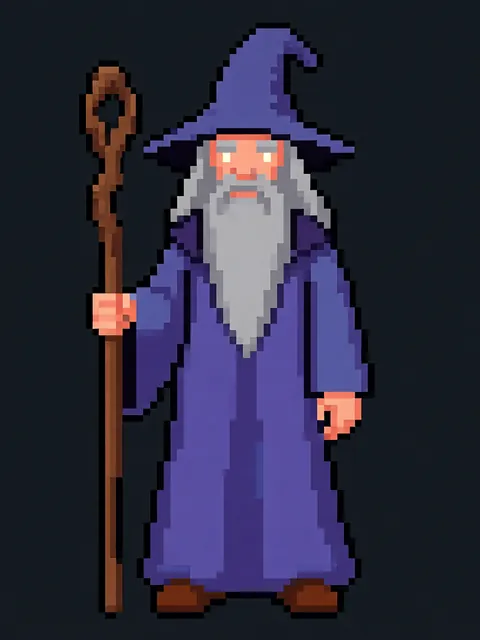
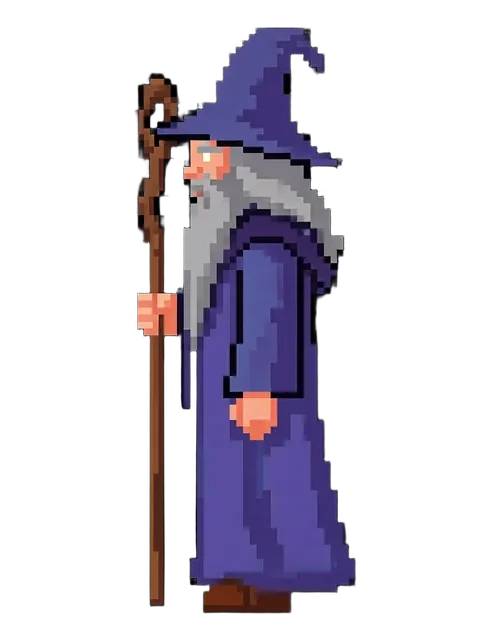
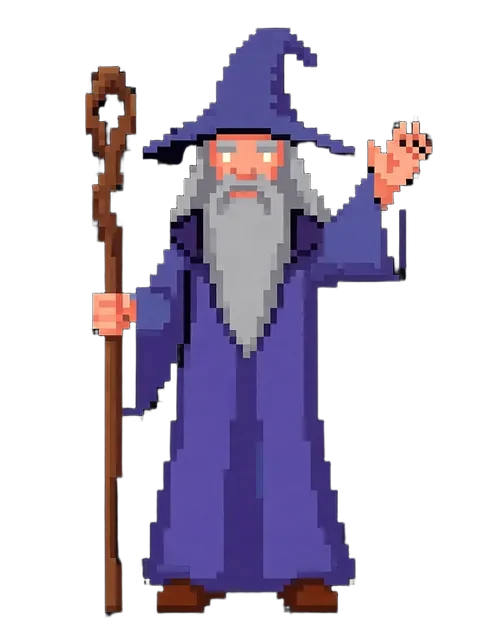
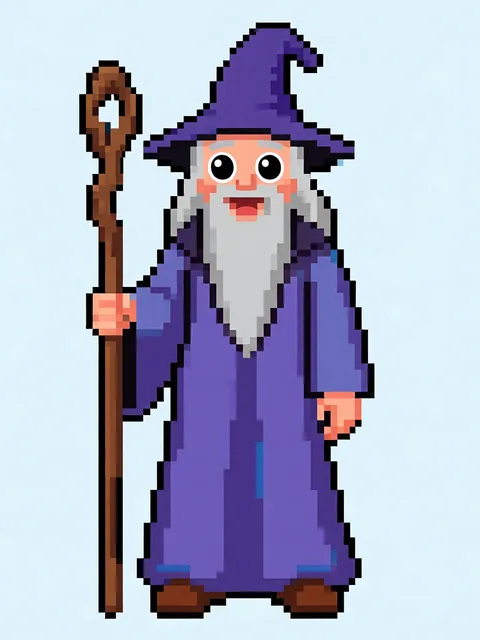
- 01
Design character with felt-friendly rounded forms
Needle felting works best with soft organic shapes — spheres, ovoids, teardrops, and smooth curves. Avoid sharp angles, thin protruding elements, or fine detail that real wool cannot hold. Describe your character in terms of rounded volumes: spherical head, cylindrical limbs, domed torso. The AI will interpret these as feltable forms.
- 02
Generate 8-angle set in needle-felt wool style with fiber texture
Use the multi-angle generator with the needle-felt wool style preset. Request visible wool fiber texture, soft matte surface with no shine, subtle fiber barbs catching edge light, and visible roving direction. Specify wool type if relevant: merino for fine smooth texture, corriedale for coarser craft feel, or blended roving for color transitions.
- 03
Verify wool fiber direction consistency and roving texture scale
Wool fibers should follow consistent directional logic across angles — fibers on the character’s torso that run vertically in the front view should also run vertically in the side view. Check that roving texture scale stays uniform across all angles; a character should not appear finely felted in one view and coarsely carded in another.
- 04
Adjust fiber density for intended display size
Dense fiber texture reads well at thumbnail and social-media sizes but can look noisy at large print dimensions. Looser fiber texture looks natural at poster size but may read as blurry at icon scale. Choose your target display size before finalizing and adjust the fiber density prompt parameter accordingly.
- 05
Export for craft product mockup compositing
Export each angle with transparency (PNG-24) so the character can be composited onto natural fabric backgrounds: linen, burlap, raw canvas, wood grain, or craft-fair table textures. Include a version with a soft drop shadow for depth and one without for flat mockup placement. If the character is destined for an Etsy listing, export at 2000px minimum on the longest side.
- Use merino wool descriptors for fine, smooth fiber texture suitable for small characters; use corriedale for coarser, more rustic craft-fair aesthetics
- Fiber direction should follow the character’s form: vertical on limbs, radial on spherical heads, spiral on coiled elements like tails
- Avoid any shiny or glossy descriptors in your prompt — needle-felted wool is inherently matte and any specular highlight breaks the illusion
- For stop-motion reference, generate an additional angle set with joint lines marked so puppet fabricators can plan armature placement
- Wool color blending at boundaries should look like roving transition, not digital gradient — describe it as "carded wool color blend"
- The top-down view is often the weakest for felted characters because wool texture is harder to read from above; add a distinctive top detail (hat, head markings)
- For Etsy product mockups, composite the character onto a photographed craft surface rather than a solid digital background for authentic listing presentation
- If generating a character lineup (multiple felted characters together), maintain identical fiber scale across all characters so they read as the same craft universe
Frequently asked questions
What is needle-felt wool style and why use it for character reference sheets?
How does fiber direction affect the look of a needle-felted character?
Can I generate needle-felt wool character references on the free tier?
What is the best export format for needle-felted character art used in Etsy product mockups?
Ready to create consistent character views?
Upload a reference image and generate multi-angle views that stay true to your character.
Start generating