
Create Visual Novel Character Portraits
Visual novel character art is the backbone of the entire player experience: the same character must express eight distinct emotions while remaining recognizably the same person from sprite to sprite. Consistency across the emotion set makes or breaks immersion. A single off-model expression can pull players out of the story. Answer: Our AI generates visual novel character portraits from a single reference, producing eight emotion variants (neutral, happy, sad, angry, surprised, blush, thinking, special) at 1920x1080px with transparent backgrounds. Each variant locks to the base character design so eyes, hair, and proportions stay consistent. Export Ren'Py-ready layered image definitions or individual transparent PNGs for any VN engine.
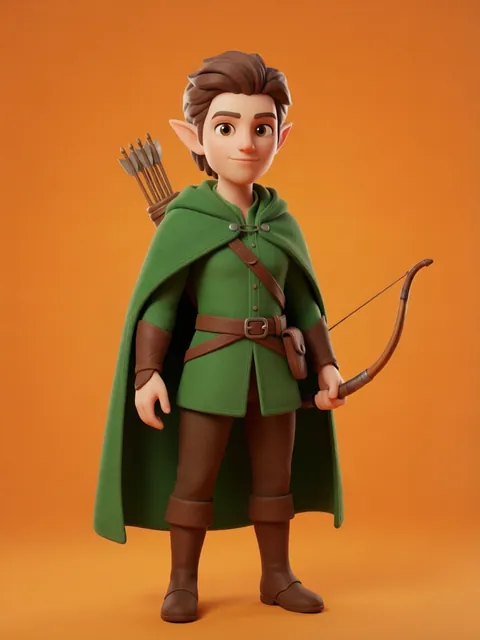
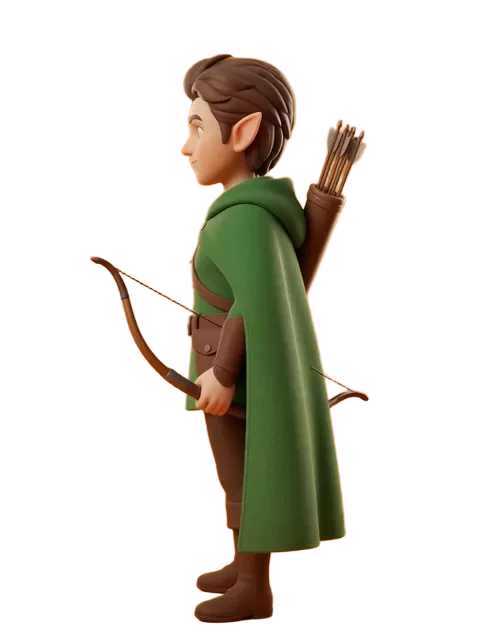
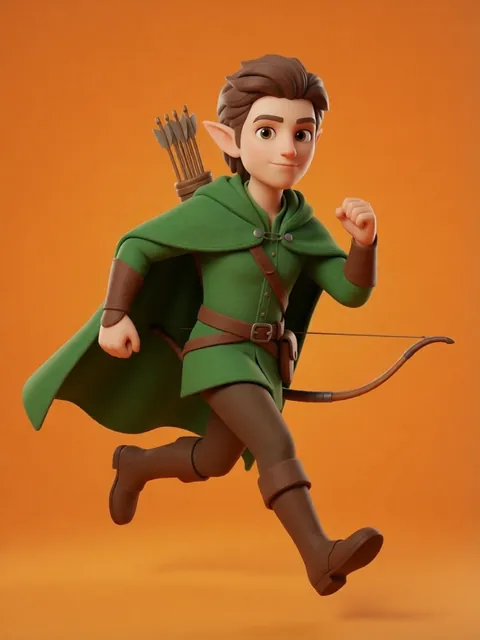
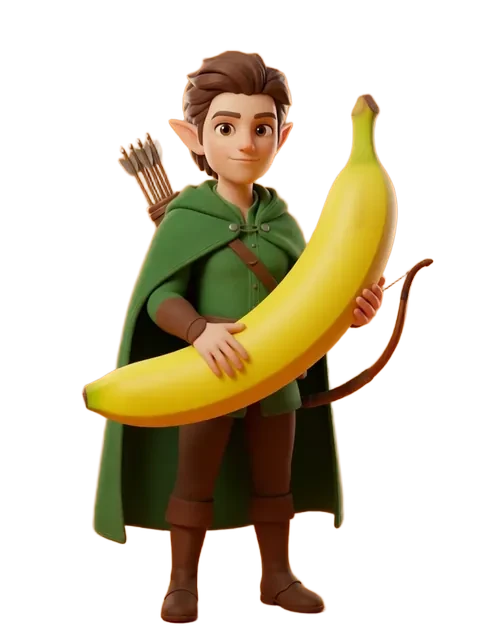
- 01
Design your VN character with a distinct silhouette
Start with a strong character design that reads clearly at VN portrait scale, where the character occupies roughly the lower third of a 1920x1080 canvas. Define the character's key visual traits (hair shape, eye style, outfit details, color palette) and ensure the silhouette is distinctive enough to recognize even in thumbnail form.
- 02
Generate front-facing reference portrait
Upload your reference image and generate the base portrait at 1920x1080px with a transparent background. The generator produces a waist-up or bust-up portrait depending on your specification. This base image serves as the locked reference from which all emotion variants derive.
- 03
Create emotion variant pack from locked reference (8 expressions)
With the base portrait locked, generate the eight standard VN emotion variants: neutral, happy, sad, angry, surprised, blush, thinking, and special. The AI preserves face structure, hair placement, and outfit while varying only the expression-essential features (eyes, eyebrows, mouth, blush overlay, sweat drops).
- 04
Export transparent PNGs at 1920x1080px
Export all nine portraits (base + 8 emotions) as individual transparent PNGs at full 1920x1080px resolution. The transparent background ensures clean compositing in any VN engine. Verify that each portrait is properly cropped to the character bounds with consistent framing across the emotion set.
- 05
Import into Ren'Py with layered image definitions
Set up Ren'Py layered image definitions that map each emotion variant to the base character. Use the standard Ren'Py image naming convention: "character neutral", "character happy", etc. Test transitions between expressions to ensure there is no visible jump or shift in character position between variants.
- Define your character's eye style first (shape, color, highlights) since eyes carry most VN expression changes
- Use the "special" emotion slot for character-unique expressions (scheming, crying, blushing-intense, deadpan)
- Export a "side" image variant (smaller, positioned in the text box corner) for Ren'Py dialogue scenes
- Test expression transitions at actual game resolution to catch any subtle position drift between variants
- Name emotion files with engine-agnostic names for easy porting between Ren'Py, TyranoBuilder, and Visual Novel Maker
- Include a base "outfit variant" portrait (school uniform, casual, formal) if your VN spans different settings
- Generate at slightly higher than 1920x1080 (e.g., 2560x1440) and downscale for sharper results across different displays
- Keep a reference sheet that maps each emotion to its in-game trigger for consistent writing-to-art alignment
Frequently asked questions
What image format and specs do I need for visual novel portrait generation?
Can I generate VN character portraits on the free tier?
How do I ensure emotion variants stay consistent with the base character?
Can I generate portraits for multiple VN characters at once?
Ready to create consistent character views?
Upload a reference image and generate multi-angle views that stay true to your character.
Start generating