
Create Character Art for Music Album Artwork
Answer: Music album artwork is one of the highest-stakes applications for character illustration — the album cover at 3000x3000px is your primary visual asset across Spotify, Apple Music, Bandcamp, vinyl packaging, tour posters, merch (t-shirt, hoodie, tote), and Spotify Canvas loops. The character on that cover becomes the visual identity of the album cycle. Every single, EP, remix release, and tour date announcement needs the same character in new compositions that feel fresh but recognizably part of the same visual world. Multi-angle reference generation locks in your album character from eight viewpoints, giving you source material for the entire 12-18 month album cycle. This guide covers character design through Spotify Canvas frame export — everything you need to build a cohesive music visual identity.
- 01
Design album character that embodies the music genre and mood
Your character must translate sound into visual form. For indie folk: a wandering figure in muted earth tones, textured fabrics, natural lighting. For electronic/EDM: neon-lit silhouette, geometric accessories, cyberpunk-adjacent styling. For hip-hop: bold silhouette, statement fashion pieces, confident posture. For metal: dark fantasy character, dramatic lighting, detailed armor or occult imagery. The character design should make someone scrolling Spotify think "I need to hear what this sounds like" — that’s the only conversion metric that matters.
- 02
Generate 8-angle reference for album art cycle reuse
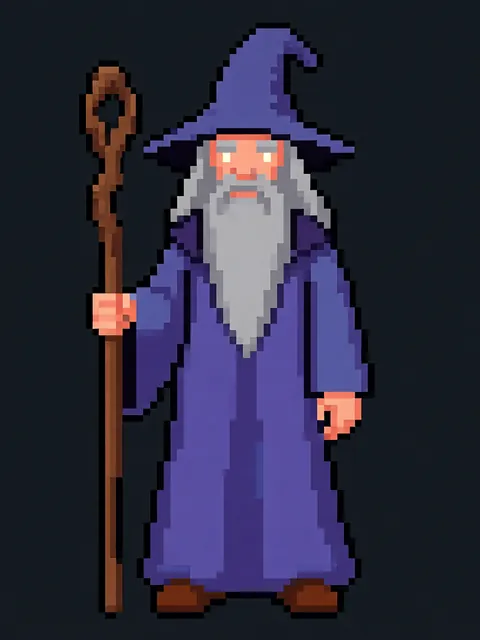
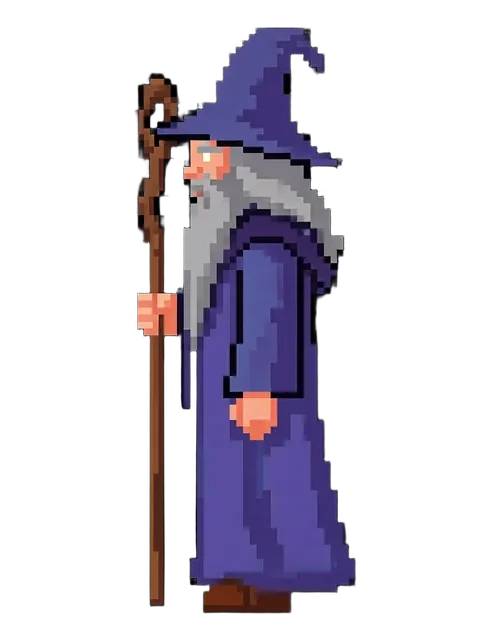
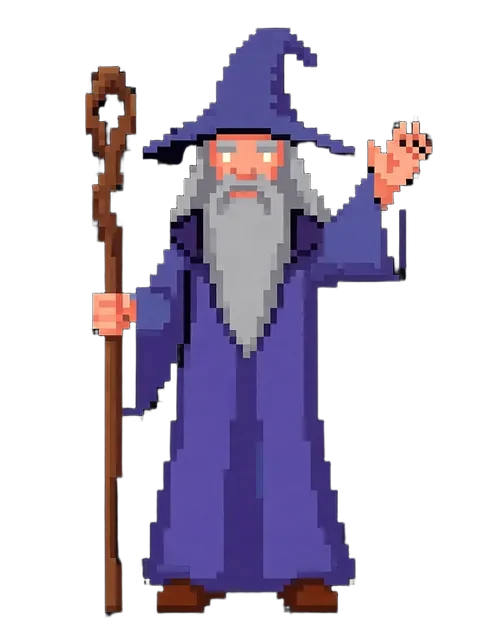
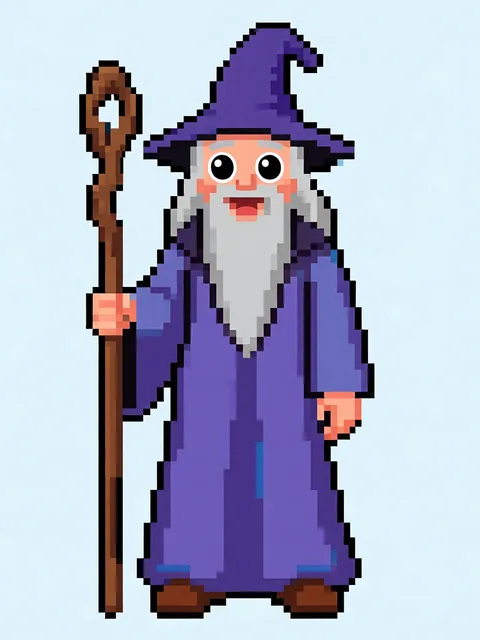
Generate the character in all eight standard angles against a neutral background (mid-gray or the album’s key color). This reference sheet is your creative brief for the entire album cycle — every artist, designer, or AI prompt you use for singles, merch, and promos references these angles. The character should be full-body, in their primary outfit, with consistent lighting direction (key light from upper left is the standard for easy compositing).
- 03
Compose album art at 3000x3000px with character as focal point
3000x3000px at 300dpi is the digital album art standard (Spotify and Apple Music both use square artwork). Compose with the character as the clear focal point, leaving the top third or bottom quarter available for artist name and album title typography. Use composition rules: if text goes at the top, place the character’s face in the middle horizontal third; if text goes at the bottom, the character’s face sits in the upper middle third. Generate at 3000x3000px — do not upscale. The square crop is unforgiving, so the character should dominate 40-60% of the frame.
- 04
Create single and EP cover variants with same character in new compositions
Singles released before the album need their own artwork featuring the same character but in distinct compositions that preview different angles from your reference sheet. A lead single might use a close-up three-quarter view, the second single a dramatic side-profile, the third single the back view with the character looking over their shoulder. EPs (typically 4-6 tracks between singles and the full album) get a composition that bridges the single art and the album art — the character in a new setting that hints at the album cover’s location without revealing it.
- 05
Export Spotify Canvas frames at 1080x1920px vertical, 3-8 second loop
Spotify Canvas is a 3-8 second looping video (no audio) that plays instead of static album art on the mobile app. Export at 1080x1920px (9:16 vertical), 720x1280px minimum, MP4 format, H.264 codec. Create 24-64 frames (8fps x 3 seconds = 24 frames minimum; 8fps x 8 seconds = 64 frames maximum). Use your 8-angle reference to create a camera arc around the character — start at three-quarter view, track to front view, continue to opposite three-quarter, then loop back. Each frame should be a distinct angle from your reference sheet with smooth interpolation between keyframes. The character stays centered; the viewpoint orbits around them.
- Album art gets seen at 160x160px in the Spotify mobile app — test your composition at thumbnail size before calling it final.
- The character’s eyes or eyeline is the single most important focal element — if the eyes aren’t compelling at 300px square, redesign the face.
- Generate the album cover first (it’s the anchor asset), then derive singles, EPs, and canvas frames from the same reference — never start with a single cover.
- Leave a clean typography zone (minimum 20% of the frame) with low visual complexity — the artist name needs to be readable over your art.
- Spotify Canvas loops at 8fps — generate 8 frames per second of intended loop time, not 24fps or 30fps which waste render time and file size.
- For merch, generate a simplified 2-3 color screen-print version of the character — full-color album art doesn’t translate to t-shirt screens without heavy simplification.
- The vinyl packaging back cover and gatefold are opportunities for wider compositions — generate a landscape 3600x3000px alternate for the gatefold spread.
- If the album has a narrative arc (concept album, rock opera), map character poses to track listings — the character’s posture should evolve across the track sequence.
Frequently asked questions
Why 3000x3000px specifically for album art?
How do I make a Spotify Canvas loop if I’m not a video editor?
Should the character art style match the music genre?
Can I create album artwork on the free tier?
Ready to create consistent character views?
Upload a reference image and generate multi-angle views that stay true to your character.
Start generating