
Create Character Art for Art Toy Design
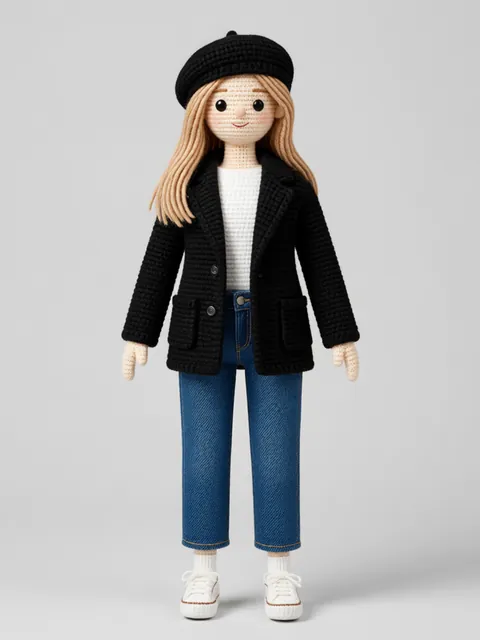
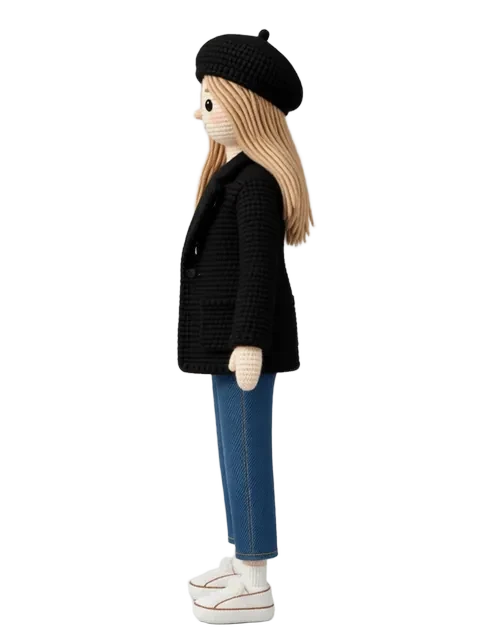
Designer toys live and die by their reference sheets. A vinyl figure factory can’t interpret your imagination – they need exact turnarounds with clean color separation, consistent proportions, and Pantone callouts for every body part. Whether you’re pitching a blind box series to Kidrobot or producing an indie sofubi run, your character reference is the single document that determines whether your sculpt looks like your vision or a bootleg. Answer: Our multi-angle generator creates 5-view manufacturing reference sheets with front/back/side/3q4 views at 8 rotation angles. Export with color-separated body parts, annotated Pantone swatches, and blind box variant colorways from one consistent base reference.
- 01
Design chunky art toy proportions for manufacture
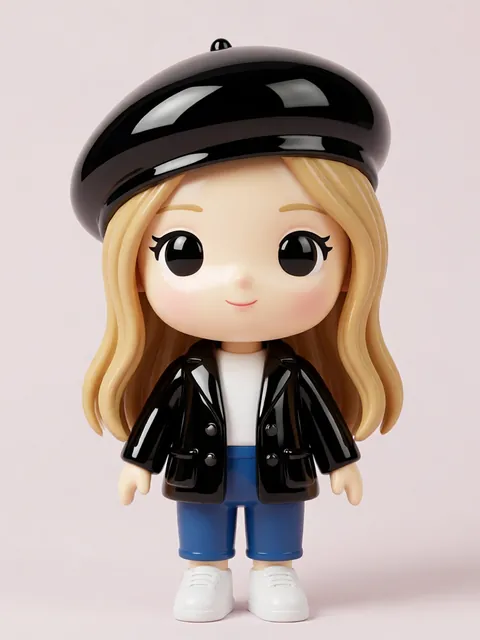
Set silhouette-first chibi proportions (1:2 head-to-body ratio, simplified hands/feet, bold contours). Block out primary shapes before detailing. Chunky volumes read better in vinyl and resist mold degradation across production runs.
- 02
Generate 8-angle turnaround with clean color separation
Upload your character concept and select 8-angle rotation (0° through 315° at 45° increments). Enable flat-shading mode for clean color regions – gradient blends cause paint mask registration errors at the factory. Verify silhouette consistency across all angles.
- 03
Annotate Pantone colors per body part on the reference sheet
Identify each color region (skin tone, hair, clothing panels, accessories) and annotate with Pantone Solid Coated references. Use 3-5 colors max – every additional color adds a factory setup charge. Include both CMYK and Pantone values for manufacturers who use different matching systems.
- 04
Design blind box variant colorways from the same reference
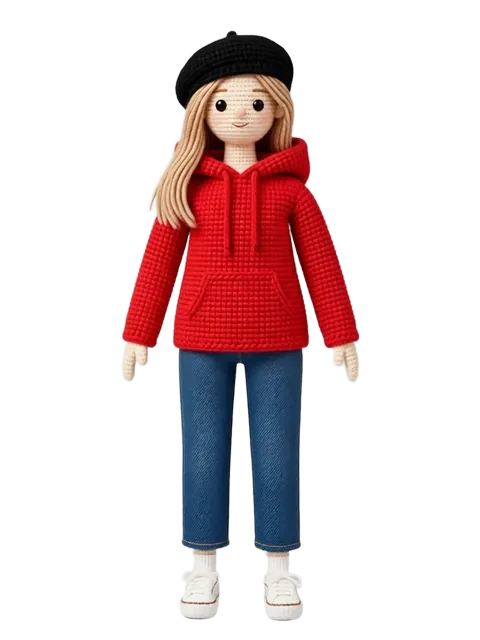
Use your clean-lined reference as a template to generate 6-12 colorway variants without redrawing. Swap color annotations, adjust accent shades, and maintain consistent line art. Label each variant with a series code (A-1 through A-12) and rarity tier (common/uncommon/rare/secret chase).
- 05
Export manufacturer-ready spec sheet package
Compile a single deliverable: 5-view turnaround plate, color chart with Pantone callouts, scale reference (3in/8in figure height marked), material notes (soft vinyl/PVC/ABS), and blind box variant matrix. Export as layered PSD or PDF with trim marks for factory template alignment.
- Keep your base body sculpt simple – blind box profit margins reward shared molds across variants, not unique sculpts per figure
- Test your turnaround at actual print size (8.5×11in at 300dpi) before sending – details that look crisp on screen dissolve at figure scale
- Request a wax cast or resin prototype before full vinyl production – a $50-200 sample catches Pantone mismatches that cost thousands to fix post-mold
- Always include a 1-inch reference scale marker on your spec sheet – factories work in metric and imperial depending on region
- For sofubi (Japanese soft vinyl), specify oil-based paint compatibility – water-based paints bead up on soft vinyl surfaces
- Separate your line art layer from color fills in the deliverable – factories screen-print lines first, then fill colors in registration
- Blind box rarities work best with 1:96 chase ratios – 1 secret per 2 cases of 12 creates real hunting energy without frustrating collectors
- Submit your reference to 2-3 factories for quotes simultaneously – per-mold pricing varies 40-60% between manufacturers for the same spec
Frequently asked questions
What file format and specs do toy factories expect?
What’s the difference between a designer toy reference and a regular character reference sheet?
Can I create an art toy reference sheet on the free tier?
How many variants can I generate from one reference sheet?
Ready to create consistent character views?
Upload a reference image and generate multi-angle views that stay true to your character.
Start generating